





As we can all testify, venue selection tends to revolve around capacity, location, and cost. But as corporate events evolve into immersive brand experiences, the criteria for choosing the right space are changing dramatically. Some forward-thinking event professionals are using experience design principles, once reserved for marketing and architecture, to align venue choice with purpose, audience, and engagement outcomes…
From Logistics to Experience
While logistics will always matter, the most successful events can sometimes begin with a different question: “What do we want delegates to feel, think, and do?”.
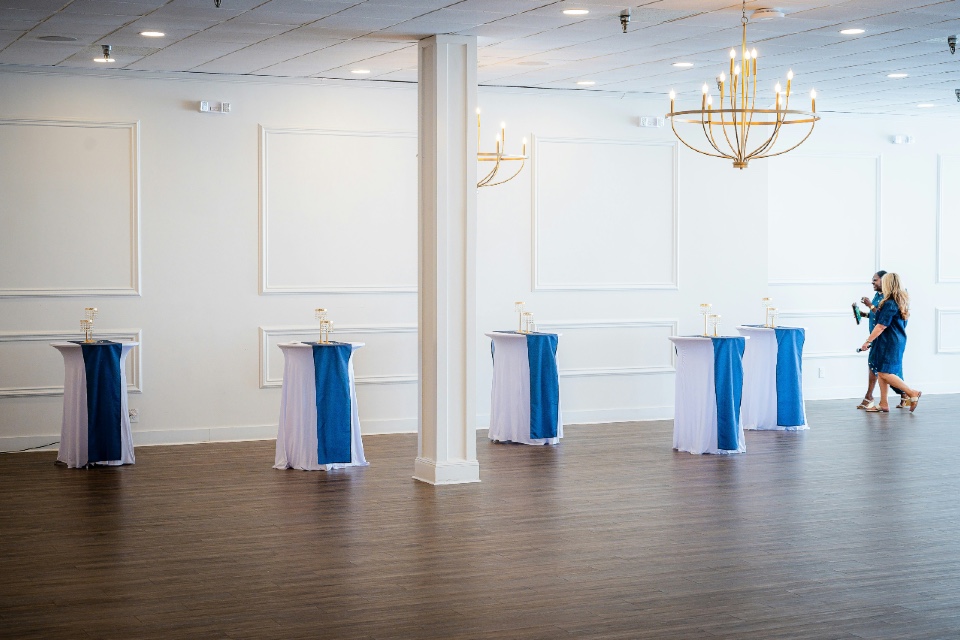
A venue isn’t just a container for an event, it’s part of the message. The lighting, acoustics, layout, and even the journey from the entrance to the main hall all shape perception and engagement. For example, an innovation summit might prioritise flexible, tech-ready spaces that encourage interaction, while a leadership retreat could benefit from natural light, breakout zones, and biophilic design to promote focus and wellbeing.
Facilities that support adaptability, through modular staging, moveable walls, or reconfigurable seating, now offer a major competitive advantage.
Designing for Emotion and Flow
Experience-led event planning borrows heavily from UX (user experience) principles: create seamless, emotionally resonant journeys. The physical layout of a venue should guide delegates naturally between registration, networking, and content zones, minimising friction and maximising connection.
Many event planners now collaborate with designers or behavioural specialists to map “delegate journeys,” identifying pinch points where crowding or confusion could disrupt the mood. Venues that integrate intuitive signage, zoned lighting, and wayfinding technology are increasingly in demand for their ability to support smooth, self-guided experiences.
Technology and Storytelling Integration
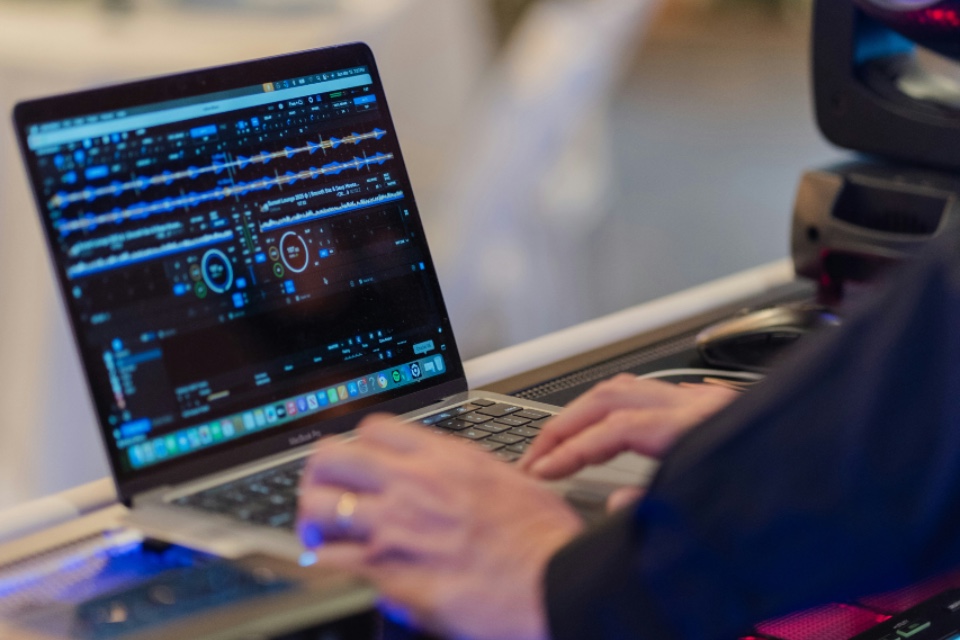
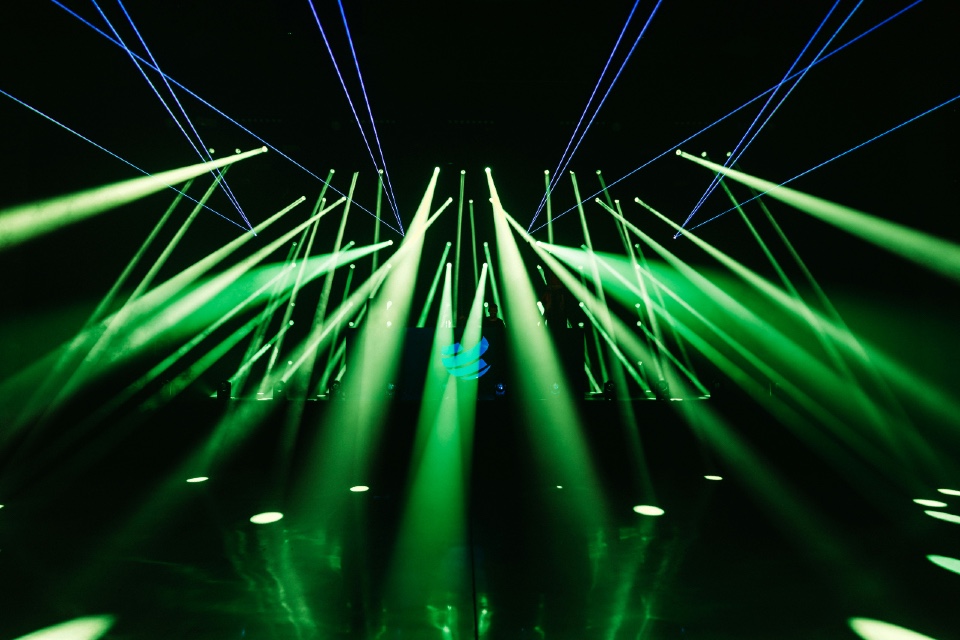
Digital innovation is also a cornerstone of experience-driven venue choice. From LED walls and immersive projection to augmented reality and sensory soundscapes, event planners are seeking venues that enable storytelling, not just presentations.
Venues equipped with advanced AV, plug-and-play connectivity, and 5G-ready infrastructure allow for deeper integration of brand narratives, hybrid engagement, and real-time audience feedback.
The ROI of Emotional Engagement
Ultimately, experience-driven venue selection is about aligning space with strategic intent. It’s not about necessarily booking the biggest or newest location, rather choosing the one that best supports your event’s emotional and commercial goals.
As budgets tighten and expectations rise, delegates will remember not just where they went, but how it made them feel. The venue becomes part of the story. And when designed with experience in mind, it’s the story that drives ROI.
Top 5 Experience Design Tips for Venue Selection
- Start with the Delegate Journey
Map the emotional and physical flow of your event before choosing a space: from first impressions on arrival to post-session networking. The best venues support a seamless journey. - Match Space to Mood
Consider how lighting, acoustics, and layout shape emotion. Use bright, flexible spaces for collaboration and calm, natural environments for focus and reflection. - Design for Movement
Avoid static layouts. Look for venues with adaptable rooms, breakout zones, and fluid circulation to encourage interaction and reduce fatigue. - Build in Technology Early
Choose venues with integrated AV, 5G connectivity, and hybrid-ready infrastructure so storytelling, interactivity, and remote participation are effortless. - Make the Venue Part of the Story
Every space communicates something. Align your venue’s aesthetic, location, and atmosphere with your brand purpose and event message for deeper resonance.
Are you searching for Venues for your upcoming events? The Event Organisers Summit can help!
Photo by David von Diemar on Unsplash