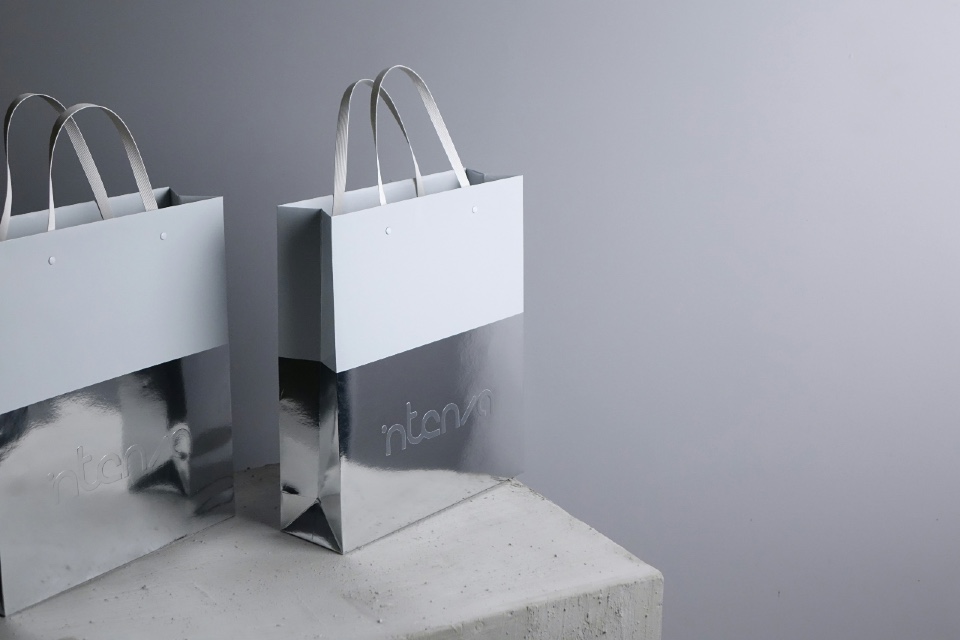







Corporate gifts and promotional merchandise can play very different roles within an event. A useful branded item handed out at a conference can extend the life of the event beyond the venue. A carefully chosen client gift can reinforce an important relationship. Premium food, drink or experience-based gifts can provide a more personal way to thank speakers, sponsors, customers or employees. But simply adding a logo to a product does not make it valuable.
Poorly chosen merchandise can become waste almost immediately, while generic gifts may do little to create a meaningful connection with the recipient. For event organisers, the most effective approach is therefore to start with the audience and objective before selecting the product.
This guide explores what buyers should compare when sourcing corporate gifting and promotional merchandise, including quality, usefulness, personalisation, sustainability, lead times, fulfilment and supplier support.
At a Glance: What Corporate Gifting Buyers Should Compare
| Area | What Buyers Should Consider |
|---|---|
| Objective | Recognition, brand awareness, hospitality or relationship building |
| Audience | Delegates, clients, employees, speakers or VIPs |
| Product relevance | Usefulness and fit with recipient interests |
| Quality | Materials, finish and perceived value |
| Branding | Logo application, packaging and personalisation |
| Sustainability | Sourcing, durability, packaging and end-of-life |
| Lead times | Production, branding and delivery schedules |
| Fulfilment | Venue delivery, individual dispatch and international shipping |
| Budget | Product, decoration, packaging, storage and delivery |
| Measurement | Redemption, usage, feedback and campaign outcomes |
What Is Corporate Gifting?
Corporate gifting involves providing products, experiences or other items to people connected with an organisation.
Recipients may include:
- Clients
- Prospective customers
- Employees
- Speakers
- Event delegates
- Sponsors
- Partners
- VIP guests
The purpose can vary considerably.
A delegate giveaway may aim to increase brand recognition.
A speaker gift may communicate thanks.
A client gift may help reinforce a commercial relationship.
An employee gift might recognise achievement or mark a company milestone.
These different objectives should lead to different purchasing decisions.
Gifting Insight
Start by asking:
“What should the recipient feel or do after receiving this?”
That question is often more useful than beginning with:
“What can we put our logo on?”
Corporate Gifts vs Promotional Merchandise
Although the two terms frequently overlap, there can be a useful distinction.
Promotional merchandise
Usually places stronger emphasis on visibility and brand recognition.
Examples might include:
- Drinkware
- Bags
- Notebooks
- Clothing
- Technology accessories
- Pens
- Event merchandise
Corporate gifts
May focus more strongly on the recipient and the relationship.
Examples might include:
- Food hampers
- Premium drinks
- Experiences
- Personalised products
- Gift boxes
- Local products
- Hospitality vouchers
Neither approach is inherently better.
The right choice depends on the campaign.
A reusable branded bottle may be perfect for thousands of conference delegates, while a bespoke hamper might be far more appropriate for a small group of strategic clients.
Promotional Merchandise for Events
Event merchandise has one significant advantage over many other forms of marketing: recipients can continue interacting with it after the event has finished.
But that only happens if they keep it.
Useful products are generally more likely to have longevity than items chosen simply because they are inexpensive.
Event organisers might consider:
- Reusable drinkware
- Charging accessories
- Bags
- Clothing
- Notebooks
- Travel products
- Umbrellas
- Desk accessories
The British Promotional Merchandise Association (BPMA) recommends that buyers plan merchandise campaigns around factors such as activation date, sourcing requirements, sustainable materials, packing requirements and delivery location.
BPMA – Guide to Buying Promotional Merchandise – https://bpma.co.uk/
Buyer Tip
Imagine the product six months after the event.
Would the recipient still be using it?
If the answer is probably no, reconsider whether it deserves to be produced in the first place.
Choose Products Around the Audience
One generic merchandise catalogue may contain thousands of options.
That does not mean every product is appropriate.
Consider the recipient.
Conference delegates
Portable, useful products may perform well because attendees need to carry them throughout the day.
VIP clients
Premium or personalised gifts may be more appropriate than heavily branded merchandise.
Employees
Wellbeing, food, experiences or products connected to company culture may provide greater value.
Speakers
A thoughtful thank-you gift can recognise the contribution they have made to the event.
International attendees
Weight, customs, transport and cultural suitability become important.
Audience segmentation can also help.
Not every attendee necessarily needs the same product.
Personalisation Beyond the Logo
There is an important difference between branding and personalisation.
Branding might mean placing the company logo on a product.
Personalisation could include:
- Recipient name
- Personal message
- Event date
- Individual packaging
- Selected gift options
- Bespoke content
For premium gifting, subtle branding can sometimes be more effective than making the corporate identity the dominant feature.
A recipient may be more likely to value an attractive product with discreet brand association than an expensive item covered with logos.
Think Recipient First
A corporate gift should still feel like a gift.
If its primary purpose is clearly advertising, the recipient may perceive it as promotional merchandise regardless of its price.
Quality and Perceived Value
Price and perceived value are not identical.
A lower-cost item that is beautifully designed and genuinely useful may make a stronger impression than a more expensive but generic gift.
Buyers should examine:
- Materials
- Finish
- Branding quality
- Packaging
- Durability
- Presentation
Physical samples are particularly valuable before placing larger orders.
Colours, texture and print quality can be difficult to judge from digital product imagery alone.
Sustainable Promotional Merchandise
Sustainability has become an increasingly important consideration within promotional merchandise procurement.
The BPMA says the sector needs to improve the responsible sourcing, manufacture and distribution of promotional goods and has introduced initiatives aimed at improving environmental and ethical performance across the industry.
BPMA – Sustainability – https://bpma.co.uk/sustainability/sustainability-policy/
Potential considerations include:
- Recycled materials
- Recyclability
- Product lifespan
- Packaging
- Manufacturing location
- Ethical sourcing
- Transport
- Repairability
- End-of-life options
But buyers should avoid assuming that something marketed as an “eco product” is automatically the best environmental choice.
A durable product that someone uses for years may be preferable to a nominally sustainable giveaway that is discarded immediately.
Sustainability Principle
Reduce unnecessary merchandise before attempting to make unnecessary merchandise greener.
This may mean ordering fewer, better products.
Avoid Unsupported Environmental Claims
Sustainability claims should also be credible.
Terms such as:
- Green
- Eco-friendly
- Sustainable
- Carbon neutral
…can be problematic when used without clear evidence.
The BPMA’s anti-greenwashing guidance encourages businesses to substantiate environmental claims and align communications with the Competition and Markets Authority’s Green Claims Code.
BPMA – Anti-Greenwashing Guidance – https://bpma.co.uk/
Buyers should ask suppliers what evidence supports claims concerning:
- Recycled content
- Materials
- Carbon impact
- Certifications
- Ethical sourcing
This protects both the buyer and the event brand from making misleading claims.
Experiences as Corporate Gifts
Corporate gifting does not have to mean physical merchandise.
Experiences may provide a more memorable alternative.
Examples could include:
- Dining
- Tastings
- Hotel stays
- Spa experiences
- Tours
- Workshops
- Entertainment
- Activity vouchers
Experiential gifting can be particularly relevant when organisers want to create an emotional connection rather than physical brand visibility.
It can also complement an event itself.
For example, a client attending a corporate event might receive a voucher allowing them to return for a different experience at a later date.
This extends the relationship beyond the original event.
Food and Drink Gifting
Premium food and drink remain established corporate gifting categories.
Potential options include:
- Hampers
- Local produce
- Chocolates
- Tea and coffee
- Wine
- Non-alcoholic products
Presentation and personalisation can significantly influence perceived value.
Buyers should also consider:
- Dietary requirements
- Allergies
- Cultural appropriateness
- Alcohol policies
- Recipient age
- Delivery restrictions
- Storage conditions
For alcohol gifting specifically, organisations should ensure the gift is appropriate for the recipient and consistent with internal corporate policies.
An inclusive campaign should also offer suitable alternatives where required.
Corporate Gifting and Hospitality
Gifting can also be integrated directly into hospitality.
For example, a company might combine:
Meeting → experience → meal → take-home gift
This creates a more coherent journey than treating gifting as an unrelated item handed to attendees as they leave.
This approach works particularly well for:
- Client events
- Leadership away days
- Incentive programmes
- VIP hospitality
- Sponsor events
Buyers should ask hospitality providers whether experiences and physical gifts can be combined into one package.
Lead Times Matter
Merchandise sourcing frequently requires more time than buyers expect.
Lead times may include:
- Product sourcing
- Sampling
- Artwork approval
- Manufacturing
- Printing
- Embroidery
- Personalisation
- Packaging
- Freight
- Delivery
Bespoke manufacturing may require significantly longer schedules than standard stocked products.
The BPMA recommends working backwards from the activation date and allowing sufficient time for production and delivery.
BPMA – https://bpma.co.uk/
Event Planning Tip
Treat merchandise as part of the main event production schedule rather than a last-minute marketing purchase.
Rush production can reduce choice while increasing both cost and risk.
Event Delivery and Logistics
Receiving 2,000 pieces of merchandise at an event requires planning.
Buyers should establish:
- Delivery date
- Venue access
- Loading arrangements
- Storage
- Box labelling
- Distribution location
- Repacking requirements
- Surplus collection
Ask suppliers whether cartons can be labelled by:
- Event
- Day
- Room
- Delegate group
- Distribution point
This can save considerable time during build-up.
For large or multi-event programmes, suppliers may also provide warehousing and fulfilment.
Individual Corporate Gift Fulfilment
Some programmes involve shipping gifts directly to recipients rather than distributing them onsite.
This introduces additional considerations around:
- Recipient addresses
- Personal data
- Packaging
- Tracking
- International shipping
- Failed deliveries
- Returns
If personalisation is involved, buyers should also establish how recipient data is transferred and protected.
Data should generally be limited to what the supplier genuinely needs to fulfil the order.
Avoiding Merchandise Waste
Events often generate surplus products because organisers order additional stock as contingency.
Some contingency is sensible.
But excessive over-ordering can lead to:
- Storage costs
- Outdated branding
- Waste
- Disposal costs
A rebrand or campaign change can also make stock unusable.
The BPMA has highlighted initiatives that redirect surplus promotional merchandise towards charitable use rather than disposal.
BPMA – https://bpma.co.uk/
Better forecasting can reduce this risk from the outset.
Buyers might ask suppliers whether they support:
- Small repeat runs
- Stock management
- Warehousing
- Redistribution
- Take-back
- Recycling
Measuring Corporate Gifting
Corporate gifting can be difficult to measure directly, but organisers can still define useful indicators.
These may include:
- Recipient feedback
- Redemption rates
- QR scans
- Social sharing
- Repeat engagement
- Sales conversations
- Employee feedback
- Product usage
For an experience voucher, redemption can be measured directly.
For merchandise, organisers may use surveys or track interactions associated with campaign-specific QR codes.
The metrics chosen should reflect the original objective.
If the aim was simply to thank a group of speakers, conversion tracking is probably unnecessary.
What Should Buyers Compare?
Product relevance
Will recipients genuinely value the gift?
Quality
Does the item reflect the desired brand perception?
Personalisation
How flexible are branding and individualisation options?
Sustainability
Can sourcing and environmental claims be substantiated?
Lead times
Can the supplier reliably meet the event date?
Fulfilment
Can products be delivered to venues or individual recipients?
Scale
Can the supplier manage the required quantity?
International reach
Can gifts be delivered across multiple countries where required?
Support
Will the supplier help develop ideas or simply supply catalogue products?
Pricing
Does the quotation include branding, setup, packaging and delivery?
Questions to Ask Corporate Gifting and Merchandise Suppliers
- What products would you recommend for our audience?
- What are the minimum order quantities?
- Can we see physical samples?
- What personalisation is available?
- How are sustainable claims verified?
- Where are products manufactured?
- Which ethical sourcing standards do you follow?
- How long will production take?
- What artwork formats are required?
- Can you manage delivery directly to the venue?
- Can cartons be labelled for different event areas?
- Do you offer individual recipient fulfilment?
- Can you manage international distribution?
- How is personal recipient data handled?
- What happens to surplus stock?
- Are smaller repeat orders possible?
- Which costs are not included in the quoted unit price?
- What happens if production is delayed?
Frequently Asked Questions
What is corporate gifting?
Corporate gifting involves giving products, experiences or other items to clients, employees, partners or event attendees to recognise, thank or engage them.
What is promotional merchandise?
Promotional merchandise usually refers to branded products designed to increase awareness or maintain brand visibility after an interaction or event.
What promotional merchandise works best at events?
Useful, relevant and portable products often provide greater longevity, although the best choice depends on the audience, budget and event objectives.
How can promotional merchandise be more sustainable?
Buyers can order fewer products, prioritise useful and durable items, reduce packaging, investigate recycled or responsibly sourced materials and avoid unnecessary surplus.
Are experiences suitable for corporate gifts?
Yes. Hospitality, tours, tastings, dining and other experiences can provide alternatives to physical merchandise and may offer greater memorability for certain audiences.
How early should event merchandise be ordered?
Lead times vary significantly. Buyers should begin sourcing well ahead of the event, particularly when bespoke production, personalisation or international shipping is involved.
Product Guide
Corporate gifting can range from physical merchandise to premium food, drink and experience-based rewards. Event organisers should choose partners according to the audience and objective rather than assuming every programme requires traditional branded products – and you can meet many at the Event Organisers Summit.
Featured Supplier
Balfour Winery & Hospitality
Kent-based English wine producer and hospitality destination offering corporate gifting alongside meetings, away days and private events. Balfour’s corporate gifting options include gift-boxed wines with personalised notes, bespoke hampers at different budget levels and experience vouchers for vineyard tours and tastings. Its wider corporate experiences can combine meetings, dining, estate tours and tutored tastings, allowing organisers to connect hospitality and gifting within the same programme.
Website: https://balfourwinery.com/
Balfour Corporate Experiences & Gifting – https://balfourwinery.com/corporate-events/
Explore Corporate Gifting & Promotional Merchandise
The most effective corporate gifting does not begin with a catalogue. It begins with the recipient.
Understanding who they are, why they are receiving the gift and what would genuinely provide value makes it much easier to select products or experiences that strengthen the relationship rather than simply adding more merchandise to the world.
For event organisers, this means balancing creativity, usefulness, quality, sustainability and reliable fulfilment.
The Event Organisers Summit connects senior event professionals with carefully selected providers of gifting, hospitality, event production and associated services through pre-arranged one-to-one meetings.
Explore corporate gifting and promotional merchandise solutions, compare specialist providers and discover ways to create memorable event experiences that continue long after attendees leave the venue.
Sources
Balfour Winery – Corporate & Trade – https://balfourwinery.com/corporate-and-trade/
British Promotional Merchandise Association – https://bpma.co.uk/
BPMA – Sustainability Policy – https://bpma.co.uk/sustainability/sustainability-policy/
BPMA – Guide to Buying Promotional Merchandise – https://bpma.co.uk/
Balfour Winery – Corporate Experiences and Gifting – https://balfourwinery.com/corporate-events/
Image Credit: https://unsplash.com/photos/a-green-ribbon-on-a-white-background-KpWid3vV2nY