





Successful corporate events rely on the seamless collaboration of multiple suppliers, each playing a key role in delivering a smooth and memorable attendee experience. Understanding the types of event suppliers available can help event managers select the right partners for their specific requirements, from venue and production support to technology, entertainment and logistics. This supplier category guide explores some of the most in-demand disciplines among delegates at the Event Organisers Summit and how they contribute to successful event delivery.
Core Supplier Categories
Venue and Catering Suppliers
Venues: The right venue sets the foundation for an event. Options range from conference centres and hotels to unique locations such as castles, museums and purpose-built event spaces. Venue choice can influence accessibility, atmosphere and the overall attendee experience.
Caterers: Catering suppliers provide food and beverage services tailored to event requirements, including dietary considerations, bespoke menus and service styles that support guest satisfaction.
AV and Production Suppliers
AV Equipment Hire: Audio visual suppliers provide essential equipment such as projectors, screens, microphones, speakers and lighting to ensure presentations and performances are delivered clearly and professionally.
Stage and Set Design: Production teams create the visual environment of an event through stage construction, branding, décor and themed designs, helping reinforce the event’s message and atmosphere.
Lighting and Sound: Specialist lighting and sound suppliers enhance the audience experience by creating the right mood, improving visibility and ensuring clear communication throughout the event.
Event Technology Suppliers
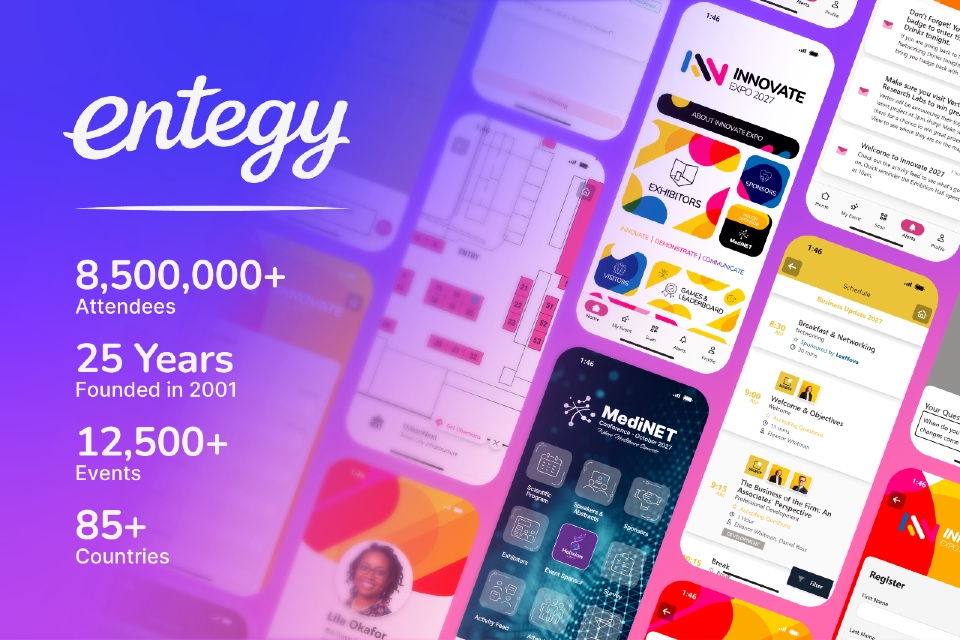
Event Apps: Event technology providers develop platforms that support attendee engagement, networking, digital schedules and information sharing before, during and after an event.
Live Streaming and Virtual Event Platforms: Technology suppliers enable hybrid and virtual experiences by providing reliable streaming, audience interaction tools and digital access for remote attendees.
Event Furniture and Décor Suppliers
Furniture Hire: Furniture suppliers provide seating, tables and practical event equipment that help create comfortable, functional spaces for attendees.
Décor and Theming: Creative suppliers transform venues through styling, floral arrangements and themed elements that bring the event vision to life and strengthen brand identity.
Additional Supplier Categories
Talent and Entertainment Suppliers
Speakers and Keynote Speakers: Specialist agencies can source industry experts, thought leaders and public figures to deliver presentations that educate, inspire and engage audiences.
Entertainers: Entertainment suppliers provide performers such as musicians, comedians and interactive acts to create memorable moments and enhance the overall event atmosphere.
Marketing and PR Suppliers
Marketing Agencies: Marketing partners support event promotion through campaigns, content creation and audience engagement strategies designed to increase awareness and attendance.
PR Firms: Public relations specialists help manage media relationships, generate publicity and maximise exposure before and after the event.
Security and Staffing Suppliers
Security Personnel: Security providers help protect attendees, venues, equipment and sensitive information while ensuring events run safely and smoothly.
Event Staffing: Staffing agencies provide additional support for roles such as registration, guest assistance, ushering and attendee management.
Transport and Logistics Suppliers
Ground Transportation: Transport suppliers organise travel arrangements for attendees, speakers and equipment, helping ensure smooth arrivals and departures.
Logistics: Logistics providers manage the movement, storage and coordination of event materials, reducing operational challenges during planning and delivery.
Building Strong Supplier Relationships
Successful events depend on strong partnerships between organisers and suppliers. Clear communication, defined expectations and timely payments help build trust and encourage effective collaboration.
Many event managers also use supplier management platforms to streamline communication, monitor performance and maintain organised records across multiple partners.
Conclusion
Understanding the different types of event suppliers available allows event managers to build the right team for each project. From creating engaging environments and delivering reliable technology to supporting guest safety and improving logistics, each supplier category contributes to the overall success of an event.
By selecting experienced partners and developing strong supplier relationships, organisers can create seamless, impactful experiences that meet both business objectives and attendee expectations.
Are you searching for event management solutions for your upcoming project? The Event Organisers Summit can help!
Photo by HamZa NOUASRIA on Unsplash