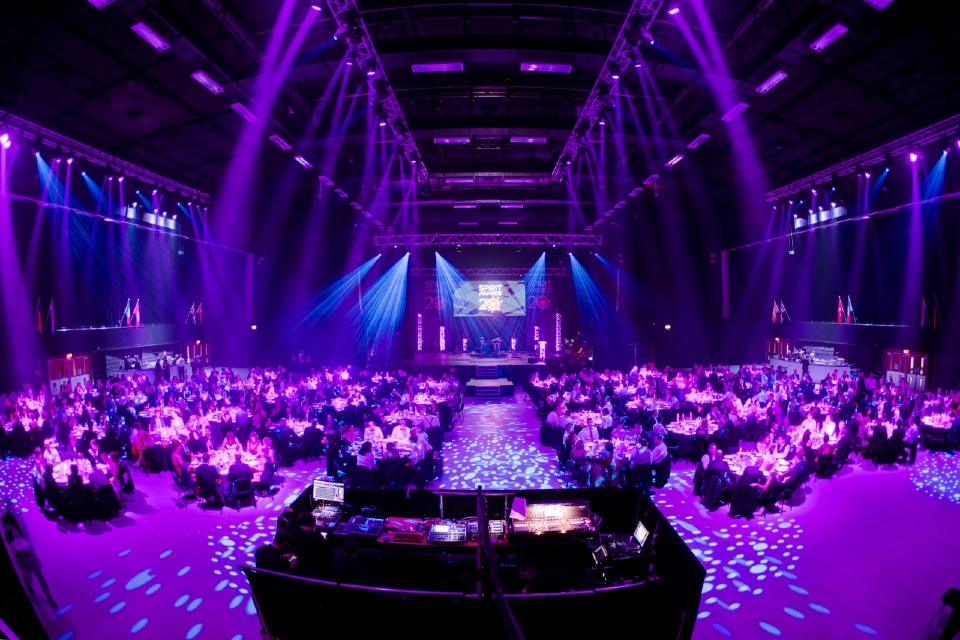







Choosing a venue is one of the most consequential decisions an event organiser makes. The location, facilities and available space influence almost every aspect of an event, from attendance and accessibility to networking opportunities, atmosphere and overall cost. However, a venue that looks impressive during a site visit may not necessarily be the best place to achieve the event’s objectives.
A large conference hotel might provide excellent accommodation and meeting facilities but be less appropriate for an intimate leadership retreat. A distinctive city venue could create a memorable product launch while offering limited flexibility for a multi-day training programme.
For organisers, the challenge is understanding what the event needs to achieve before deciding where it should take place.
Having explored general venue selection and technology requirements in our June articles, this November guide takes a more strategic approach.
At a Glance: Matching Venues to Event Objectives
| Event requirement | Suitable venue characteristics | What to compare |
|---|---|---|
| Conferences and seminars | Flexible meeting rooms, reliable AV and breakout space | Delegate flow, acoustics, technical support |
| Leadership retreats | Privacy, accommodation and informal meeting areas | Exclusivity, flexibility, environment |
| Product launches | Distinctive design, branding and production capabilities | Creative freedom, access, event impact |
| Incentives and team building | Shared experiences, activities and accommodation | Participation, programme flexibility, value |
| Corporate hospitality | Quality catering, memorable setting and guest service | Experience, accessibility and total cost |
| Multi-location events | Consistent facilities and centralised booking | Availability, standards, reporting and support |
Start with the Outcome, Not the Venue
Before searching for available spaces, organisers should define what success looks like.
A conference may be intended to educate delegates, encourage collaboration or generate commercial opportunities.
A leadership meeting might need to support difficult strategic decisions, while a team-building event may focus on relationships and morale.
These objectives influence the type of environment required.
ALTOUR’s meetings and events approach starts with business objectives before developing the event programme, venue requirements and supporting logistics.
This provides a useful model for organisers.
If collaboration is the priority, the venue should facilitate conversation. If the objective is to inspire, the environment and experience may play a greater role.
The most effective venue selection process works backwards from what attendees should achieve.
Match the Space to the Event Format
Different event formats create different requirements.
A traditional conference may need a main auditorium, exhibition space and several breakout rooms.
A workshop might work better in smaller, flexible spaces that encourage participation.
An awards evening requires a different combination of seating, catering, staging and entertainment facilities.
IET London: Savoy Place offers lecture theatres, meeting rooms and reception spaces suited to professional conferences and corporate events.
Ministry Venues provides distinctive London spaces, including The Ministry and Ministry of Sound, suitable for formats ranging from meetings to product launches and celebrations.
Neither represents a universally better choice.
The relevant question is whether the layout, facilities and atmosphere support the particular format.
Consider What the Venue Says About the Event
Venues communicate something about an organisation and its event before the programme begins.
A historic institution may convey credibility and expertise. A contemporary creative space may reinforce innovation. A destination resort could help position an event as a reward or an opportunity to step away from everyday working routines.
For some events, this connection can strengthen the overall experience.
Aviator in Farnborough, Hampshire, offers a design-led hotel environment overlooking Farnborough Airport, with dedicated meeting and event spaces.
Fulham Pier provides a distinctive riverside London setting combining hospitality, dining and event facilities.
These venues illustrate how location and character can contribute to the event’s identity.
However, organisers should avoid choosing an unusual space solely because it looks impressive.
The setting must still support the practical requirements of the programme.
Think About the Complete Delegate Journey
The venue experience begins before guests enter the building.
Travel arrangements, parking, public transport, arrival procedures and wayfinding all influence how easily people can participate.
Scope’s accessible events guidance recommends considering the entire delegate journey, including transport connections, building entrances, circulation and facilities.
Event organisers should therefore assess how attendees will reach the venue and move between spaces.
For an event drawing delegates from across the UK, a venue close to major transport connections may be especially valuable.
LGH Hotels Management operates meeting and event facilities across a portfolio of hotels in different UK locations, including properties near major transport hubs.
For organisations planning several regional events, this type of geographical coverage may offer practical advantages.
The objective is to reduce avoidable friction so delegates can concentrate on the event itself.
Make Accessibility a Design Requirement
An accessible entrance does not automatically make an event accessible.
Organisers must also consider meeting rooms, toilets, stage access, circulation routes, emergency arrangements and the availability of appropriate support.
Historic England recommends assessing venue accessibility through a site visit rather than relying solely on general descriptions.
The Purple Guide’s updated 2026 accessibility guidance also emphasises accessible booking arrangements, transport information, facilities and staff awareness.
Buyers should ask venues to explain their specific accessibility provisions.
This should include support for attendees with mobility, sensory and other requirements.
A venue should enable people to participate fully rather than simply meet a minimum physical access requirement.
Compare City Venues and Destination Settings
City-centre venues can provide convenient access to transport, accommodation and local services.
They may be particularly suitable for business events where attendees are travelling for a single day or need to combine the event with other commitments.
Destination venues offer a different proposition.
They can encourage delegates to spend more time together, particularly when accommodation, catering and activities are available in one location.
Center Parcs Conferences and Events offers meeting facilities, accommodation and team-building activities within a woodland setting.
Club Med Meetings & Events combines meetings, accommodation, dining and activities at international resort destinations.
These approaches may be relevant to residential conferences, leadership retreats and incentive programmes.
The choice depends on whether the event benefits more from convenience or from creating a more immersive shared experience.
Evaluate Residential and Multi-Day Events
Residential events create opportunities for interaction beyond formal sessions.
Delegates may build relationships during meals, informal conversations and shared activities.
However, organisers also need to coordinate accommodation, transport, catering and programme timing.
Hotels and resorts can simplify this process by providing several services within one location.
Club Med’s all-inclusive meetings and events offering brings together accommodation, meeting spaces, dining and activities.
LGH Hotels Management provides meeting and event facilities alongside accommodation across its UK hotel portfolio.
Aviator also combines business event spaces with hotel rooms and dining facilities.
Buyers should assess whether the venue can support the complete programme, not simply provide sufficient bedrooms and meeting capacity.
Make Networking Part of the Venue Brief
Networking is an important objective for many business events.
Yet venues are sometimes selected primarily according to the capacity of the main conference room.
Organisers should also examine the spaces where delegates will meet between sessions.
Are there suitable areas for informal conversations? Can people move comfortably between presentations and refreshments? Is there sufficient space for small-group discussions?
A venue with an impressive auditorium but limited networking facilities may restrict opportunities for interaction.
IET London: Savoy Place offers a combination of conference spaces, lounges and reception areas.
Fulham Pier’s hospitality and riverside setting provides another type of environment for corporate gatherings and relationship-building.
The aim is to create opportunities for useful conversations rather than simply accommodate the scheduled programme.
Consider Team Building and Shared Experiences
Team-building events and incentive programmes often benefit from activities that encourage people to engage outside their usual working relationships.
However, the experience should reflect the audience and organisational objectives.
Not every group will benefit from the same activities.
Center Parcs combines conference facilities with indoor and outdoor team-building options in a woodland environment.
Club Med offers resort-based activities, sports and experiences as part of its meetings and incentives proposition.
Organisers should consider accessibility, participation and the preferences of attendees.
An activity that excludes a significant proportion of the group may undermine the event’s purpose.
The strongest programme creates opportunities for people to participate comfortably and meaningfully.
Evaluate Creative Freedom
Some events require extensive branding, bespoke staging or an unusual layout.
Product launches, awards ceremonies and experiential events may place particular demands on venue flexibility.
Buyers should establish what modifications are permitted and whether the venue imposes restrictions on production suppliers, installations or operating hours.
Ministry Venues offers adaptable spaces for conferences, launches, receptions and other corporate events.
Evolution Live provides event production, creative design, venue-finding and project management services that can help organisations develop and deliver more bespoke experiences.
Organisers should consider the relationship between the venue and the production team.
A visually distinctive space may offer considerable creative potential, but practical limitations need to be understood before committing to a concept.
Revisit Technology in the Context of the Event
Our June venue technology article explored connectivity, AV and digital infrastructure in greater detail.
For November, the important question is how those capabilities support the specific event format.
A technical conference may require high-quality presentation facilities and reliable connectivity.
A product launch might prioritise visual impact, lighting and video production.
A hybrid event needs appropriate arrangements for remote participation.
IET London: Savoy Place announced new event spaces and a 4K MicroLED video wall for its Kelvin Lecture Theatre in 2026, illustrating how venue technology continues to evolve.
But technical sophistication should not become an end in itself.
Organisers should specify what the event needs to deliver before deciding which capabilities justify additional expenditure.
Examine Catering as Part of the Experience
Catering can influence how delegates experience an event and interact with one another.
For a short business meeting, refreshments may be relatively straightforward.
A residential conference or corporate hospitality event may require several meals, dietary arrangements and more complex service planning.
Organisers should examine whether catering supports the event schedule.
Long queues can reduce networking time, while poorly timed meals may disrupt sessions.
Where catering is part of a wider hospitality package, the complete experience should be evaluated.
Club Med, LGH Hotels Management, Aviator and Fulham Pier offer different combinations of hospitality and event facilities.
The priority should be to ensure that food, service and timing support the event’s objectives.
Include Sustainability in Venue Decisions
Venue selection can influence travel emissions, energy use, catering waste and other environmental impacts.
Organisers should consider whether a location is accessible by public transport and how the venue manages relevant sustainability issues.
The University of Liverpool’s sustainable events checklist recommends examining transport, venue accessibility, energy efficiency, waste arrangements and environmental credentials.
However, claims should be supported by evidence.
A venue’s setting or branding does not automatically demonstrate strong environmental performance.
Buyers should request relevant information about operational practices and understand which aspects of sustainability they can influence through their own event arrangements.
The objective should be to make informed decisions rather than rely on general marketing statements.
Compare the Complete Event Cost
Venue quotations can include different combinations of room hire, catering, equipment, staffing and other services.
An apparently inexpensive venue may become costly once additional requirements are included.
An all-inclusive or packaged offer may provide better cost certainty, although organisers should confirm precisely what is covered.
Club Med promotes an integrated resort model, while venue-finding and event management specialists such as ALTOUR and Evolution Live can help coordinate venue sourcing and associated requirements.
Buyers should establish a consistent basis for comparing options.
This includes understanding cancellation terms, minimum numbers, additional staffing, technical support and any restrictions on external suppliers.
The objective is to compare the cost of delivering the complete event rather than simply the price of hiring the space.
Define Responsibilities Before Booking
A successful event often depends on coordination between the venue, organiser and external suppliers.
Responsibilities may include room layouts, technical production, catering, security, delegate management and emergency arrangements.
The Health and Safety Executive advises organisers to assess venue suitability and clearly allocate responsibilities where control of a site is shared.
Buyers should establish who will manage each important activity and how problems will be escalated.
For complex events, external partners can help coordinate delivery.
ALTOUR offers strategic meeting management, venue sourcing and event logistics, while Evolution Live provides wider production and project management services.
The aim should be to prevent gaps between the services being purchased and the people responsible for delivering them.
Test the Venue Against the Event’s Objectives
Site visits should do more than confirm that a space looks attractive.
Organisers should walk through the event from the delegate’s perspective.
Where will people arrive? How will they reach the main room? Can they move easily to breakout sessions? Will refreshments be accessible without creating congestion?
Historic England recommends checking relevant accessibility features during venue visits, while the HSE emphasises assessing site suitability and operational safety.
Organisers should also review the venue’s proposed layouts and discuss realistic scenarios.
For example, what happens if attendance exceeds expectations or the programme runs late?
A venue may appear suitable on paper but reveal limitations when the actual event schedule is considered.
Measure Whether the Venue Delivered Value
Venue evaluation should continue after the event.
Organisers can examine attendance, delegate feedback, accessibility, service delivery, networking opportunities and overall expenditure.
For an incentive programme, relevant outcomes may include engagement and participation.
For a conference, organisers might assess whether the environment supported learning and interaction.
ALTOUR’s events offering includes programme reporting and technology intended to connect expenditure with event outcomes.
The important principle is to evaluate the venue against the objectives established before booking.
An attractive location may contribute to a memorable event without necessarily delivering the intended business result.
The best venue selection process should become more informed each time an organisation runs an event.
Questions to Ask Venue and Event Partners
Before selecting a venue, organisers should consider:
- How does the venue support the event’s primary objectives?
- Is the setting appropriate for the intended audience and brand?
- Which layouts and event formats can the space accommodate?
- Are there sufficient breakout and networking areas?
- How accessible is the complete delegate journey?
- What accommodation and hospitality facilities are available?
- Can activities or experiences be incorporated into the programme?
- What AV, connectivity and technical support are included?
- How much creative flexibility does the venue provide?
- What sustainability information is available?
- What restrictions apply to external suppliers?
- How are health, safety and operational responsibilities divided?
- What costs fall outside the quoted package?
- What cancellation and amendment terms apply?
- How will the venue help evaluate the success of the event?
Frequently Asked Questions
How should organisers choose the right event venue?
Organisers should begin with the event’s objectives, audience and format, then assess whether a venue’s location, layout, facilities, accessibility, service and cost support those requirements.
What makes a good corporate event venue?
A good corporate venue provides suitable spaces, reliable facilities, effective support and an environment that helps the organiser achieve the intended business and delegate outcomes.
Are destination venues suitable for business events?
Yes. Destination venues can be appropriate for residential conferences, incentives, leadership retreats and team-building events where shared experiences and additional time together are valuable.
What is the benefit of using a venue-finding specialist?
Venue-finding specialists can help organisations develop requirements, identify suitable options, coordinate enquiries and compare commercial arrangements, depending on their services.
How important is venue accessibility?
Accessibility is essential to meaningful participation. Organisers should consider transport, entrances, circulation, toilets, event rooms, emergency arrangements and the needs of individual attendees.
How can organisers measure venue value?
Useful measures may include delegate satisfaction, attendance, quality of networking, operational performance, accessibility and whether the event achieved its original objectives.
Product & Services Guide
The Event Organisers Summit brings together senior event professionals and relevant solution providers through pre-arranged one-to-one meetings, offering an opportunity to explore event venues, venue finding, hospitality, production and other services supporting successful events. Attending venues include:
ALTOUR
Global travel, meetings and events management specialist providing strategic event planning, venue sourcing, negotiation, group travel, logistics and event delivery. Its services also include incentive programmes and reporting technology designed to help organisations manage expenditure and assess event outcomes.
Website: https://altour.com/
Aviator
Design-led hotel and event venue in Farnborough, Hampshire, overlooking Farnborough Airport. Aviator offers six dedicated meeting and event spaces, accommodation and dining facilities suitable for board meetings, corporate away days, workshops and other business events.
Website: https://aviatorhampshire.com/
Club Med Meetings & Events
International resort-based meetings and events provider offering conferences, executive retreats, incentives and corporate gatherings. Its all-inclusive approach can combine meeting spaces, accommodation, dining, activities and dedicated event support within a single destination.
Website: https://www.clubmed.co.uk/me/meetings-and-events
Evolution Live Limited
Event management and production specialist providing venue finding, creative design, technical production, project management and event delivery. Its capabilities support conferences, awards ceremonies, launches, exhibitions and live, hybrid and virtual events.
Website: https://www.evolution.international/evolution-live
LGH Hotels Management Ltd
Hotel management group offering meeting, conference and event facilities across a portfolio of UK hotels. Its venues support business meetings, training events, conferences, hospitality and residential programmes, with centralised booking and local event support.
Website: https://www.lghhm.com/
Center Parcs Conferences and Events
Corporate events provider offering conference facilities, accommodation and team-building experiences in woodland settings. Its dedicated event spaces can support meetings, residential conferences and team activities, including at Woburn Forest in Bedfordshire.
Website: https://events.centerparcs.co.uk/
Fulham Pier
Riverside hospitality and events destination in Fulham, London, offering spaces for private and corporate hire alongside restaurants, bars and boutique accommodation. Its distinctive Thames-side setting is relevant to receptions, networking and hospitality-led events.
Website: https://www.fulhampier.com/
IET London: Savoy Place
Central London conference and events venue overlooking the River Thames. Savoy Place offers lecture theatres, meeting rooms, reception spaces and advanced AV facilities, supporting professional conferences, meetings, presentations and corporate events.
Website: https://savoyplace.theiet.org/
Ministry Venues
London venue hire and events provider operating distinctive spaces including Ministry of Sound and The Ministry. Its adaptable environments support conferences, product launches, awards, receptions and other corporate and creative events.
Website: https://ministryvenues.com/
Choose the Experience Before the Space
The strongest venue selection decisions begin with a clear understanding of what the event needs to achieve.
Different objectives require different environments, facilities and forms of support.
A practical approach is: define → match → experience → deliver → evaluate
Define the event’s objectives.
Match the format and audience to appropriate spaces.
Design the delegate experience.
Coordinate the venue and suppliers to deliver it.
Then evaluate whether the environment contributed to success.
The best venue isn’t necessarily the largest, most expensive or most visually impressive option.
It’s the one that helps people do what they came to the event to do, and gives them a reason to remember it.
The Event Organisers Summit brings together senior event professionals and relevant solution providers through pre-arranged one-to-one meetings, offering an opportunity to explore event venues, venue finding, hospitality, production and other services supporting successful events.
Related Reading
This November article builds on our June Event Venues series.
“Choosing the Right Event Venue: What Good Looks Like in 2026” explored the essential considerations involved in evaluating venues, including location, accessibility, sustainability and practical requirements.
“Venue Technology and Connectivity: Why Digital Infrastructure Is Now a Critical Selection Criterion” examined how AV, connectivity and digital infrastructure influence venue suitability.
This article takes the next step by focusing on matching venue characteristics to the event’s purpose, delegate experience and intended outcomes.
Our next November article will explore how organisers can use venue briefs, site visits and commercial comparisons to shortlist suitable spaces and avoid costly mismatches.
Sources
- HSE – Venue and Site Design
- Association of Event Organisers – eGuide
- Scope – Choosing an Accessible Event Venue
- Historic England – Venue Accessibility Checklist
- The Purple Guide – Accessibility
- University of Liverpool – Sustainable Events Checklist
- ALTOUR – Meetings and Events
- Club Med – Meetings and Events
- Center Parcs – Conferences and Events
- IET London: Savoy Place
- Ministry Venues
Image credit: https://unsplash.com/photos/a-group-of-people-standing-in-a-room-Npq93ZsZUqs