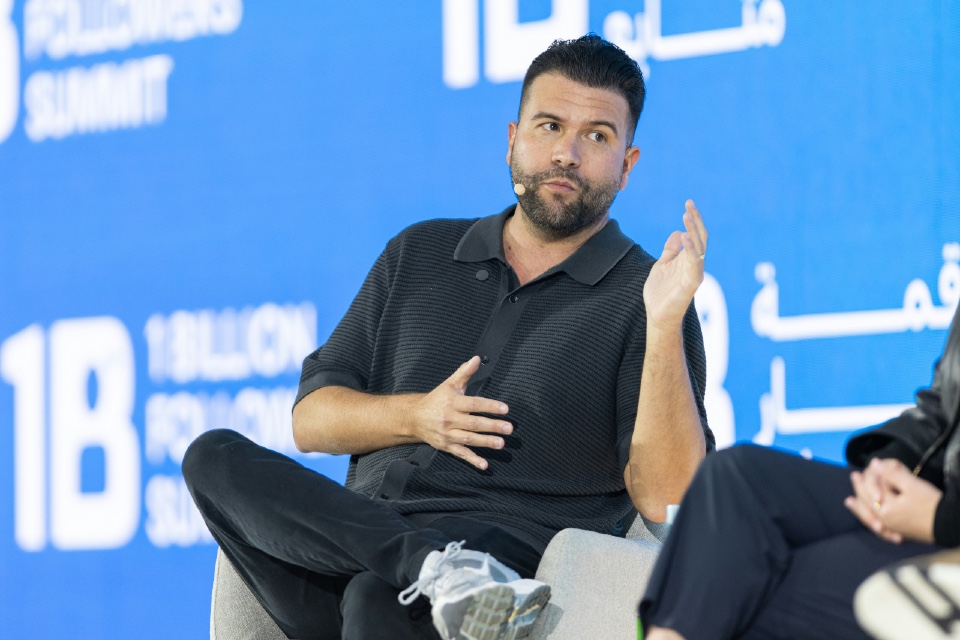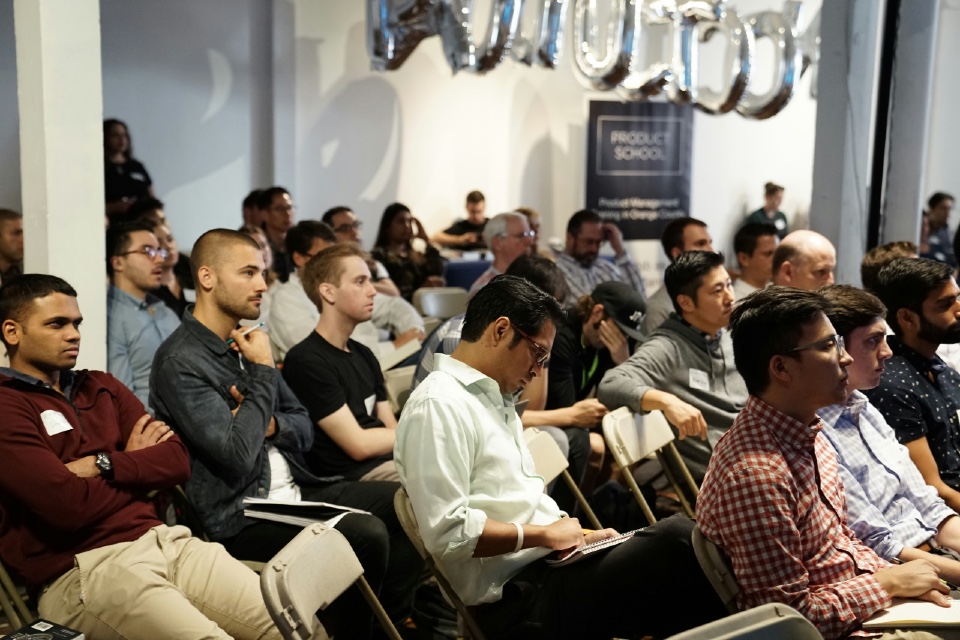







For conferences aimed at senior business leaders, speakers are often one of the largest single investments in the event budget. Sometimes it’s easy to focus primarily on the booking itself rather than the process that follows. In reality, the difference between an average keynote and a standout session often comes down to how effectively organisers manage the briefing, preparation and integration of speakers into the wider event strategy. Many event managers are treating speakers less as one-off performers and more as strategic partners in the event experience…
Start with objectives, not names
One of the most common mistakes in speaker selection is starting with a wish list of high-profile names before defining the event’s objectives. The most effective approach begins with a clear understanding of what the conference needs to achieve: thought leadership, practical insight, inspiration, or debate.
By defining the role of each session within the agenda, organisers can identify speakers who will deliver relevant content rather than simply recognition value. This also strengthens negotiation conversations by allowing organisers to position the opportunity in terms of audience influence, industry relevance and long-term partnership potential.
Negotiating beyond the speaking slot
Speaker negotiations are increasingly extending beyond the keynote itself. Many organisers now seek additional value through panel participation, media interviews, networking sessions or pre-event content such as articles, podcasts or video messages.
Bundling these elements can increase the return on speaker investment while helping to amplify the event’s marketing reach before it takes place.
The importance of structured briefing
Once confirmed, a well-structured briefing process is essential. High-profile speakers often appear at dozens of events each year, and without a detailed brief they may default to generic presentations.
Effective briefing should include audience demographics, sector context, key challenges facing attendees and the event’s strategic themes. Providing examples of past sessions or highlighting the desired level of interaction can also help ensure the presentation aligns with the broader programme.
Co-creating stronger content
Increasingly, organisers are collaborating with speakers to shape content rather than simply approve it. This might involve refining key messages, building case studies that resonate with the audience, or incorporating audience polling and interactive elements.
This collaborative approach helps ensure the session feels tailored rather than recycled.
Measuring the impact
Finally, leading conference teams are becoming more deliberate about measuring the value delivered by speakers. Audience feedback, session attendance, engagement metrics and post-event surveys all provide insight into which speakers generated meaningful impact.
Some organisers also assess content longevity, such as how often session clips are viewed or shared after the event.
For conferences targeting senior business leaders, speakers remain a powerful draw. But extracting maximum value requires careful planning from initial booking through to briefing, collaboration and post-event evaluation, turning a keynote into a genuine strategic asset for the event.
Are you searching for speaker solutions for your events? The Event Organisers Summit can help!
Photo by Carlos Gil on Unsplash