





Diversity and inclusion are fundamental to creating engaging, thought-provoking and representative conferences. Understanding the importance of equality, diversity, and inclusion in event planning allows organisers to curate speaker line-ups that reflect a wider range of perspectives, expertise and lived experiences. By prioritising gender balance, ethnic diversity and varied industry backgrounds, event professionals can create more inclusive agendas that resonate with broader audiences and encourage meaningful conversations. With increasing demand for authentic representation and inclusive thought leadership, organisers are adopting proactive strategies to make speaker selection more diverse and impactful.
1. Moving Beyond Tokenism: Genuine Representation in Speaker Line-Ups
Ensuring diversity in speaker selection is not about simply ticking boxes; it is about creating authentic representation and more balanced discussions. Inclusive speaker curation helps audiences see a wider range of experiences reflected on stage while encouraging fresh ideas and perspectives.
Event planners are:
✔ Setting Diversity Benchmarks – Establishing goals around gender, ethnic and industry representation to support a more balanced programme.
✔ Diversifying Speaker Sources – Looking beyond traditional keynote circuits to discover emerging voices and underrepresented experts within different fields.
✔ Evaluating Representation Gaps – Identifying areas where perspectives may be missing and actively seeking speakers from diverse backgrounds.
By focusing on meaningful inclusion rather than symbolic diversity, conferences can deliver more engaging, relevant and representative content for their audiences.
2. Promoting Gender Balance in Conferences
While progress has been made in recent years, gender imbalance in conference speaker line-ups remains a challenge. Event organisers are taking steps to create more equal representation by:
✔ Avoiding All-Male Panels (“Manels”) – Ensuring panel discussions include a variety of voices to encourage more balanced debates.
✔ Showcasing Female and Non-Binary Thought Leaders – Creating opportunities for speakers from different gender identities to share their expertise and insights.
✔ Creating Speaker Development Initiatives – Supporting emerging speakers through mentorship, training and confidence-building opportunities.
A stronger focus on gender diversity helps conferences deliver more inclusive discussions and ensures audiences benefit from a wider range of viewpoints.
3. Expanding Ethnic and Cultural Representation
Inclusive conferences should reflect the diversity of the industries and communities they serve. To achieve this, organisers are working to amplify voices from ethnically and culturally diverse backgrounds.
Strategies include:
✔ Partnering with Diverse Industry Networks – Working with professional associations, leadership groups and specialist networks to identify a broader range of speakers.
✔ Creating Inclusive Submission Processes – Encouraging speaker applications from different backgrounds through transparent and accessible selection criteria.
✔ Highlighting Cultural Perspectives – Including sessions that explore industry challenges through a range of cultural and global viewpoints.
By broadening speaker representation, conferences can create richer discussions and provide audiences with insights they may not encounter elsewhere.
4. Ensuring Accessibility and Intersectionality in Speaker Selection
Diversity extends beyond gender and ethnicity. Inclusive speaker selection should also consider factors such as age, disability, socioeconomic background and neurodiversity.
Event organisers are:
✔ Providing Accessible Speaking Opportunities – Offering options such as remote participation, adaptive technology and reasonable adjustments to remove barriers for speakers.
✔ Considering Intersectional Voices – Ensuring speaker line-ups reflect a variety of experiences across multiple aspects of identity and background.
✔ Encouraging Diverse Moderators and Hosts – Ensuring facilitators and discussion leaders also represent a range of perspectives.
Conclusion
The importance of equality diversity and inclusion in conference planning extends beyond speaker numbers; it is about creating platforms where different experiences, ideas and expertise are valued. By prioritising diverse speakers, inclusive agendas and representative programming, event professionals can create conferences that engage wider audiences and encourage more meaningful conversations.
A thoughtful approach to speaker selection helps organisations build events that reflect the communities they serve while inspiring innovation, collaboration and positive change.
Are you searching for speaker solutions for your events? The Event Organisers Summit can help!
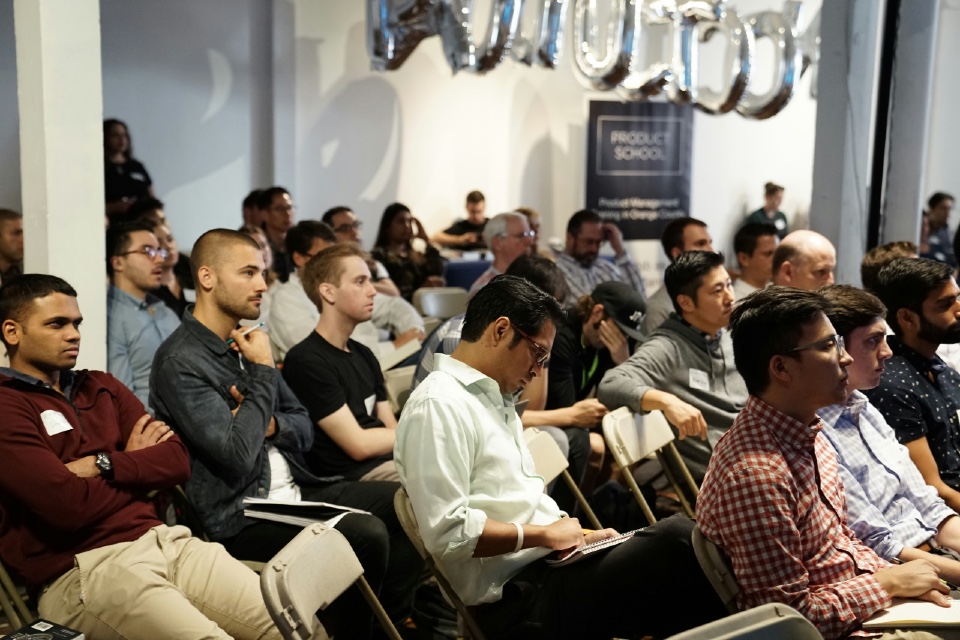
Photo by Product School on Unsplash