





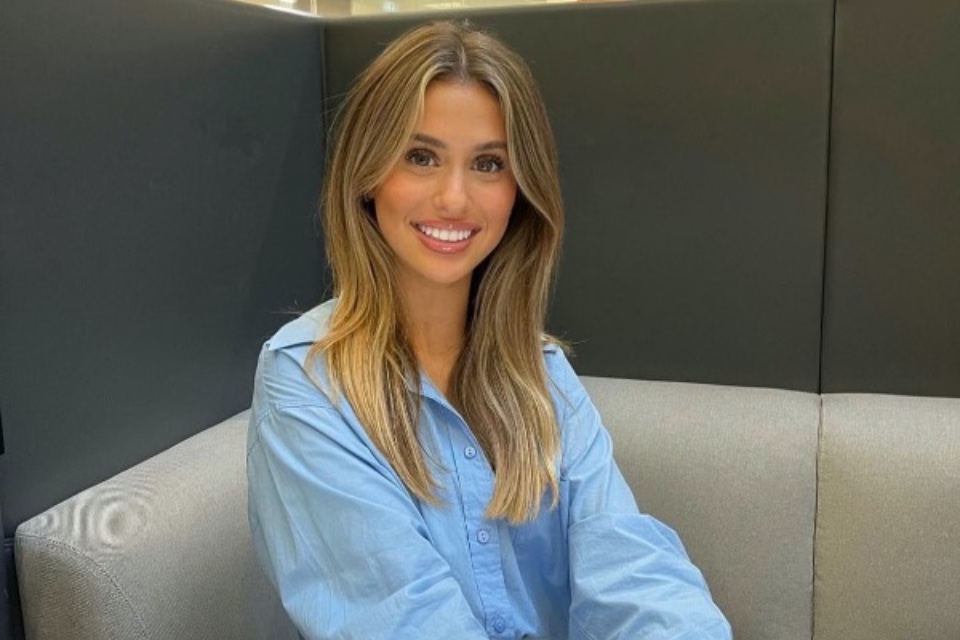
From immersive storytelling and hybrid events to the growing role of AI, Teigan Chandler (pictured), Senior Event Manager at Branchout Productions, shares her perspective on the evolving events industry…
Tell us about your company, products and services.
Branchout Productions is a creative production agency that brings events to life through innovative storytelling and cutting-edge technical expertise. Established in 2012 and backed by over 30 years of industry experience, we specialise in live, hybrid, and virtual events.
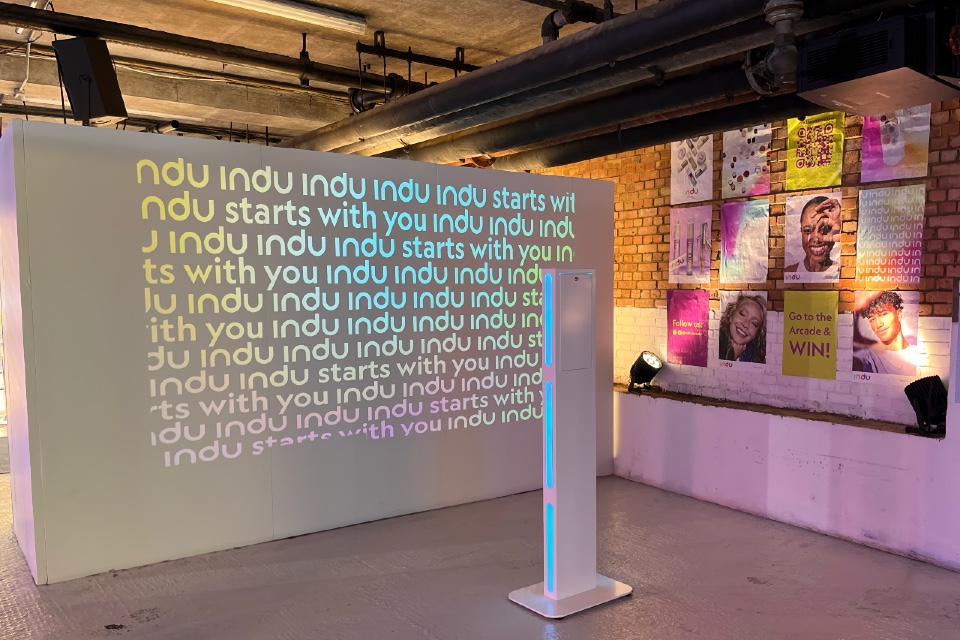
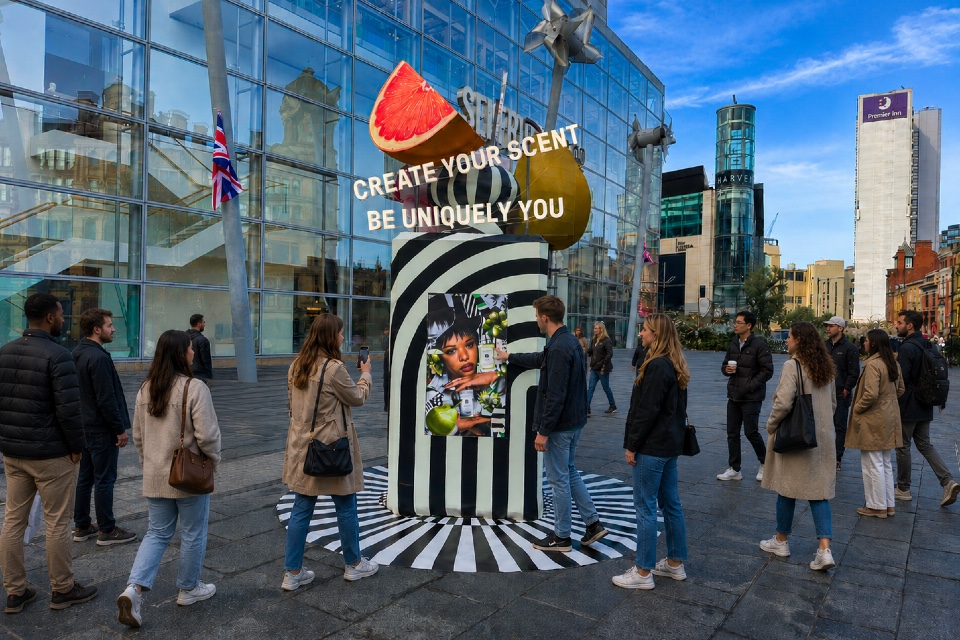
Our award-winning team combines creative vision with in-house technical capabilities to deliver seamless, immersive experiences. From conferences and award dinners to pop-ups and brand activations, we tailor every project to meet the unique needs of each client.
Whether it’s 5 or 500 seats, transforming a space or elevating an idea, we make sure every event leaves a lasting impression.
What have been the biggest challenges the Events industry has faced over the past 12 months?
The biggest challenge has been balancing tighter budgets with rising audience expectations. As financial pressure reshapes how events are delivered, there’s a risk the overall experience feels less engaging or impactful. That directly affects audience behaviour – if an event lacks energy, creativity, or a strong sense of occasion, people are far less likely to engage.
At the same time, fewer but larger events mean each one carries more weight. There’s less room for inconsistency, so delivering memorable, high-quality experiences becomes critical to maintaining attendance, brand perception, and long-term audience loyalty.
And what have been the biggest opportunities?
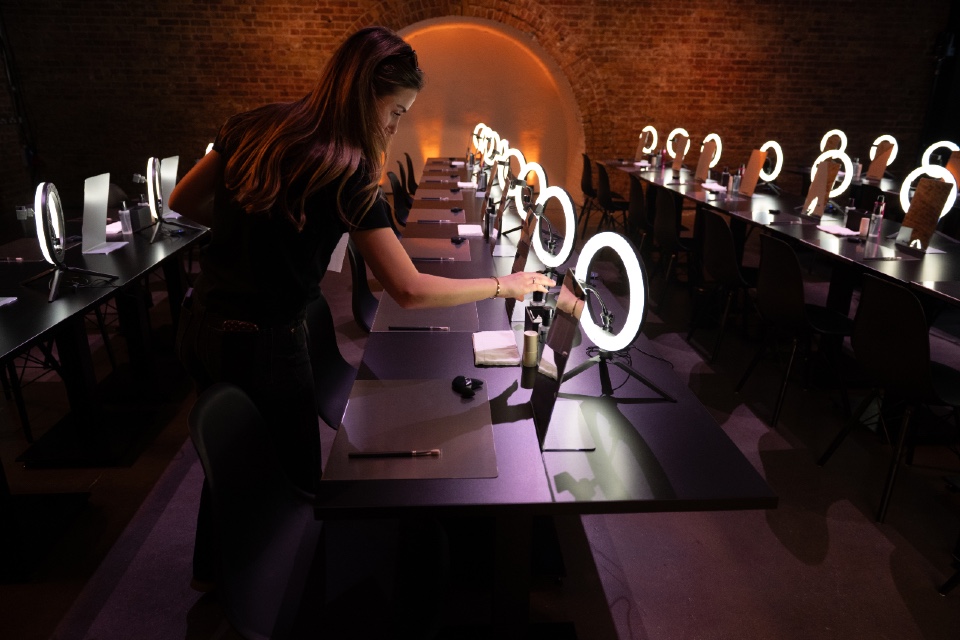
One of the biggest opportunities is the growing demand for more immersive, meaningful events that deliver real purpose and impact. Audiences want experiences that resonate beyond the moment, and this opens the door to more creative, story-led production.
There’s also a strong opportunity in how events integrate with social media. From pre-event teasers to live, real-time content and post-event amplification, events can extend far beyond a single moment. This not only engages wider audiences but also helps brands maximise reach and ensure the event continues to deliver value long after it ends.
What is the biggest priority for the Events industry this year?
The biggest priority is delivering exceptional experiences through consistent attention to detail. Every element matters and while we always aim to exceed expectations, the focus is on delivering reliably high-quality events that meet client goals.
Building closer, more collaborative relationships with clients also plays a crucial role in ensuring events are not only well-executed but genuinely impactful and aligned with their objectives. Clients want to work with teams they trust and enjoy collaborating with, which is why our clients come back to us, year after year.
What are the main trends you are expecting to see in the market next year?
We expect to see fewer but larger, more impactful events as clients look to maximise value and efficiency. There’s also a growing trend of merging certain events to reduce costs, such as venue and travel, though this depends heavily on brand and audience needs.
Hybrid formats will continue to evolve, helping brands reach wider audiences while still maintaining in-person experiences. However, smaller, more intimate events will still have a place where they best suit the brand and purpose.
What technology is going to have the biggest impact on the market this coming year?
AI will undoubtedly have the biggest impact on the events market this coming year. It brings significant benefits in planning, content creation, and operational efficiency, helping teams work faster and more strategically.
However, there’s a balance to be struck. If AI begins to dominate areas like storytelling or stage delivery, there’s a risk events could lose their personal, human connection and feel more generic. The real opportunity lies in using AI as a support tool – enhancing creativity and delivery while ensuring the human, experiential side of events remains at the centre.
What’s the most surprising thing you’ve learnt about the Events sector?
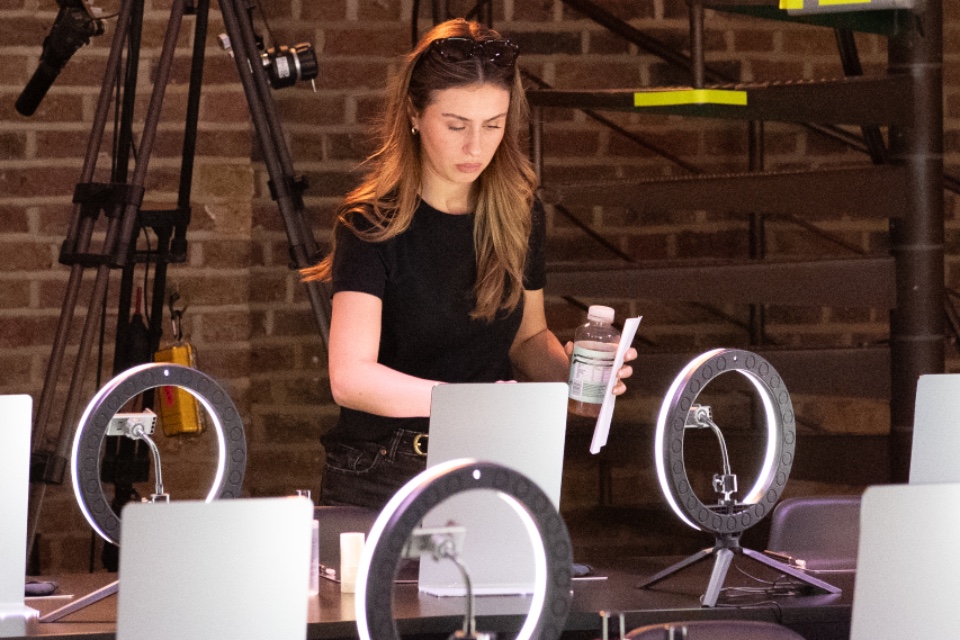
The most surprising thing I’ve learnt about the events sector is just how fast paced and unpredictable it is. No matter how well you plan, events are constantly evolving, so adaptability is essential. The mindset of “plan for the problems… not for the plan” really applies.
Strong project management and a reliable production partner are key – someone who can step in, manage issues, and have contingencies in place. Having the right production support by your side is often what ensures an event runs smoothly and successfully.
What’s the most exciting thing about your job?
Working with clients is the most exciting part – every project is different with unique ideas and challenges. Building strong relationships and problem-solving to bring their vision to life is especially rewarding, particularly when you see those ideas successfully delivered on event day.
What’s the best piece of advice you’ve ever been given?
The best advice I’ve been given is to write everything down and never rely on memory alone. In events, details change constantly, so staying organised is essential. Using project management tools, maintaining clear production schedules, and always having a notebook to hand helps ensure nothing is missed and everything runs smoothly.