






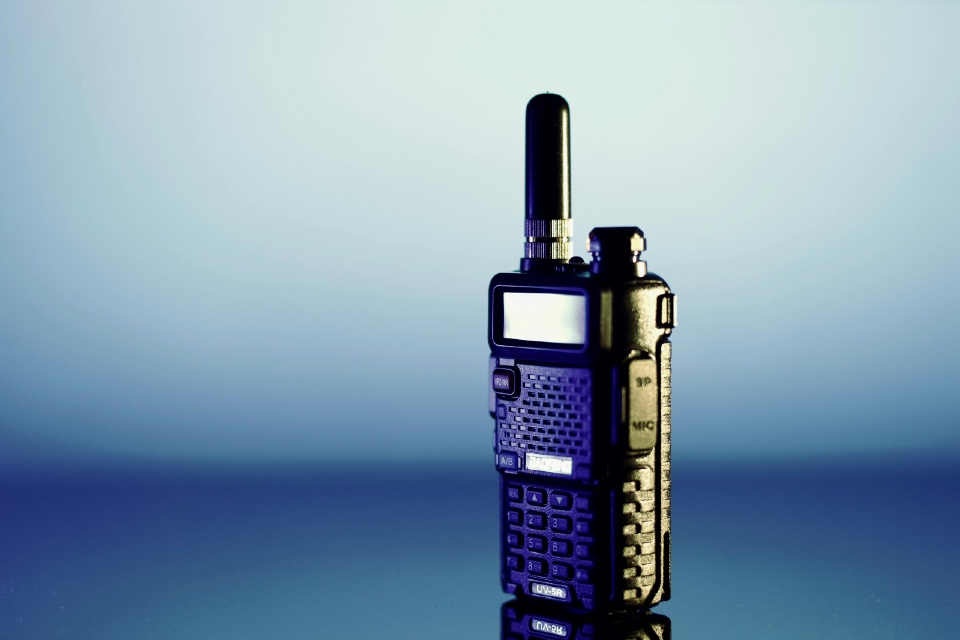
Whether managing a conference, exhibition, festival, sporting event or awards ceremony, effective communication is essential to keeping an event running safely and efficiently. While smartphones remain useful, they cannot always provide the instant, reliable communication required by busy event teams operating across large venues or temporary sites.
Radio hire for events continues to be the preferred solution for many organisers because it offers immediate group communication without relying on public mobile networks. Modern two-way radio systems are also more sophisticated than ever, with improved audio quality, extended battery life, enhanced security and digital management capabilities.
This guide explains what organisers should compare when selecting a radio hire provider, helping event professionals choose communication systems that support both operational efficiency and event safety.
At a Glance: Radio Hire Comparison
| Feature | What Buyers Should Compare |
|---|---|
| Coverage | Indoor, outdoor and multi-site performance |
| Battery life | Operating time and charging options |
| Radio type | Analogue or digital systems |
| Channels | Capacity for different event teams |
| Accessories | Headsets, speaker microphones and chargers |
| Licensing | Licensed and licence-free options |
| Onsite support | Delivery, setup and technical assistance |
| Scalability | Additional radios for changing requirements |
Why Radio Communication Still Matters
Even in an era of smartphones and messaging platforms, two-way radios remain one of the fastest and most reliable ways for operational teams to communicate.
Unlike telephone calls, radio users can communicate instantly with individuals or entire teams, making them particularly valuable when coordinating security, logistics, production and visitor services.
Typical users include:
- Event managers
- Production teams
- Venue operations
- Security personnel
- Stewarding teams
- Medical services
- Catering managers
- Technical crews
- Registration staff
- Transport coordinators
The Events Industry Forum’s Purple Guide continues to emphasise the importance of effective communication systems as part of safe event management planning.¹
Radio Hire for Events
Hiring radios is often more practical than purchasing equipment outright, particularly for organisations delivering occasional events or projects at multiple venues.
Rental agreements can usually include:
- Radio handsets
- Charging stations
- Spare batteries
- Headsets
- Speaker microphones
- Carry cases
- Programming
- Delivery and collection
- Technical support
Hiring also allows organisers to specify different quantities and equipment types for each event rather than maintaining their own fleet throughout the year.
Buyer Tip
When comparing quotations, check whether programming, replacement batteries, damaged equipment cover and onsite technical support are included. These can significantly affect the overall value of the hire package.
Radios for Events
Not every event requires the same communication system.
A conference within a hotel will have very different requirements from an outdoor festival or multi-site sporting event.
Before approaching suppliers, organisers should consider:
- Event size
- Venue layout
- Indoor or outdoor operation
- Number of users
- Security requirements
- Duration
- Shift patterns
- Visitor numbers
- Existing communication systems
- Emergency procedures
Choosing equipment based on operational requirements rather than simply handset numbers will generally deliver better results.
Best Two-Way Radios for Events
The “best” two-way radios depend entirely on the event environment and operational needs.
Digital radios have become increasingly popular because they often provide:
- Clearer audio
- Better battery performance
- Improved signal quality
- Enhanced security
- Text messaging
- GPS capability
- Emergency call functions
However, analogue systems may remain perfectly suitable for smaller events with straightforward communication requirements.
Suppliers should be able to recommend the most appropriate equipment based on venue characteristics rather than simply offering the latest technology.
Coverage and Signal Reliability
Reliable coverage should be one of the first considerations when selecting a radio hire provider.
Signal performance may be affected by:
- Building construction
- Basement areas
- Steel structures
- Temporary staging
- Large crowds
- Hills or valleys
- Distance between teams
- Multiple venues
For larger or more complex sites, suppliers may recommend repeater systems to extend coverage across the event footprint.
Whenever possible, organisers should ask whether coverage testing or previous venue experience is available.
Radios for Short Term Events
Many organisers only require communication equipment for one or two days.
Short-term radio hire offers flexibility without the cost of purchasing equipment that may only be used occasionally.
Typical applications include:
- Conferences
- Awards ceremonies
- Product launches
- Exhibitions
- Sporting events
- Festivals
- Charity events
- University open days
- Corporate meetings
Rental providers should be able to scale equipment packages as event requirements change.
This flexibility can be particularly valuable when delegate numbers increase or operational plans evolve close to the event date.
Battery Life and Charging
Battery performance directly affects operational resilience.
Most organisers expect radios to operate throughout the event without interruption, particularly where security or health and safety teams rely on continuous communication.
Questions worth asking include:
- Expected operating time
- Charging duration
- Spare battery availability
- Multi-unit chargers
- Battery replacement arrangements
- Overnight charging recommendations
Longer events may require battery rotation plans or additional charging facilities.
Accessories and User Comfort
Accessories often have a significant impact on usability.
Depending on the event, organisations may require:
- Earpieces
- Speaker microphones
- Noise-cancelling headsets
- Belt clips
- Carry cases
- Remote microphones
- Protective covers
Security staff, production crews and front-of-house teams may each require different accessories depending on their working environment.
Suppliers should recommend equipment appropriate for each user group rather than adopting a one-size-fits-all approach.
Licensing and Compliance
In the UK, some radio frequencies require an Ofcom licence, while others operate on licence-free frequencies.
The appropriate option will depend on:
- Event size
- Number of radios
- Potential interference
- Coverage requirements
- Security considerations
Suppliers should advise whether licensing is required and manage programming accordingly.
Further guidance is available from Ofcom’s business radio licensing resources.²
Onsite Technical Support
Communication systems are often critical to event delivery.
For larger or higher-profile events, organisers may wish to consider suppliers offering onsite technical support.
This may include:
- Equipment distribution
- User briefing
- Replacement radios
- Battery management
- Fault diagnosis
- Additional programming
- Technical troubleshooting
Having experienced technicians available can minimise disruption if operational requirements change during the event.
Consider Contingency Planning
Communication should form part of the wider event contingency plan.
Organisers should establish:
- Backup radios
- Emergency channels
- Lost equipment procedures
- Battery replacement arrangements
- Technical support contacts
A resilient communication plan reduces the risk of operational disruption should equipment fail or circumstances change.
Integrating Radios into Event Operations
Radio systems should complement wider event management processes rather than operate independently.
For example, communication protocols should align with:
- Security operations
- Medical response
- Crowd management
- Venue management
- Production schedules
- Contractor coordination
- Emergency planning
Clear channel allocation and agreed radio etiquette can significantly reduce unnecessary traffic during busy operational periods.
What Should Buyers Compare?
Every event has different communication requirements, but buyers should compare suppliers across several common areas.
Key considerations include:
- Coverage capability
- Equipment quality
- Battery performance
- Digital versus analogue systems
- Accessory options
- Technical support
- Scalability
- Licensing expertise
- Delivery reliability
- Overall value rather than simply daily hire cost
A supplier’s experience supporting similar events can often be just as important as the equipment itself.
Questions to Ask Potential Suppliers
Before selecting a provider, consider asking:
- Which radios do you recommend for our event?
- Can you demonstrate coverage across the venue?
- Are repeaters required?
- What battery life should we expect?
- Are spare batteries included?
- Which accessories are available?
- Do you provide programming?
- Is onsite technical support available?
- What happens if equipment fails during the event?
- Is licensing required?
- How quickly can additional radios be supplied?
- What insurance or damage cover is included?
Future Trends
Event communications continue to evolve alongside wider event technology.
Developments include:
- Digital radio networks
- GPS-enabled radios
- Bluetooth accessories
- Improved battery technology
- Cloud-based fleet management
- Integration with event control rooms
- Enhanced emergency functionality
- Hybrid radio and broadband communication systems
Despite advances in mobile technology, dedicated radio systems remain one of the most dependable communication tools available for live events.
Frequently Asked Questions
Why hire radios instead of using mobile phones?
Two-way radios provide instant communication without relying on public mobile networks and allow multiple team members to communicate simultaneously.
How many radios does an event need?
Requirements depend on the size of the event, operational teams and venue layout. Suppliers can usually recommend appropriate quantities following an event briefing.
Are licence-free radios suitable for events?
Licence-free radios may suit smaller events, while larger or more complex operations often benefit from licensed frequencies that provide greater capacity and reduced interference.
Can radios be hired for a single day?
Yes. Most suppliers offer flexible short-term hire for conferences, exhibitions, festivals and corporate events.
Do suppliers provide technical support?
Many providers offer programming, delivery, equipment setup and onsite technical assistance for larger events.
Related Reading
To learn more about event planning and operational best practice, explore these related articles from Event Organisers Briefing:
- Badging Month: Exploring Best Practice for Enhanced Event Security
- Guide: Secrets to Selecting the Perfect Venue for Your Event
- Event Management Month: Choosing the Right 360° Event Management Partner for Your Projects
Product Guide
Explore Radio Hire Solutions
Reliable communication underpins every successful event. Whether you’re coordinating security teams, production crews or front-of-house staff, selecting the right radio hire partner can improve operational efficiency, enhance safety and keep teams connected throughout the event lifecycle.
The Event Organisers Summit brings together senior event professionals with carefully selected suppliers of communications technology, production services and operational support through a programme of pre-arranged one-to-one meetings.
Explore radio hire solutions, compare suppliers and discover communication systems designed to keep your next event running smoothly.
Sources
- The Purple Guide – UK guidance on health, safety and welfare at events (Events Industry Forum): https://www.thepurpleguide.co.uk/
- Ofcom – Business Radio Licensing Guidance: https://www.ofcom.org.uk/spectrum/radio-equipment/business-radio
Image credit: https://unsplash.com/photos/a-cell-phone-sitting-on-top-of-a-table-ydo0BoAAbhk