





To say event apps have evolved significantly in recent years would be an understatement. Once viewed primarily as digital agenda tools, they are now becoming central to how delegates at the Event Organisers Summit manage attendee engagement, communications and operational delivery across conferences, exhibitions and corporate events…
As delegate expectations continue to rise, organisers are under increasing pressure to deliver mobile-first experiences that mirror the convenience and personalisation attendees experience in other digital environments.
For many corporate event teams, event apps are therefore becoming a core part of wider attendee experience and engagement strategies rather than standalone technology add-ons.
Attendee Expectations Have Changed
Modern delegates increasingly expect real-time access to schedules, venue information, networking opportunities and event updates directly through their smartphones.
This is particularly important at larger events where printed materials can quickly become outdated and communication needs may change rapidly throughout the day.
Event apps are increasingly being used to support:
- live agenda updates;
- speaker information;
- personalised schedules;
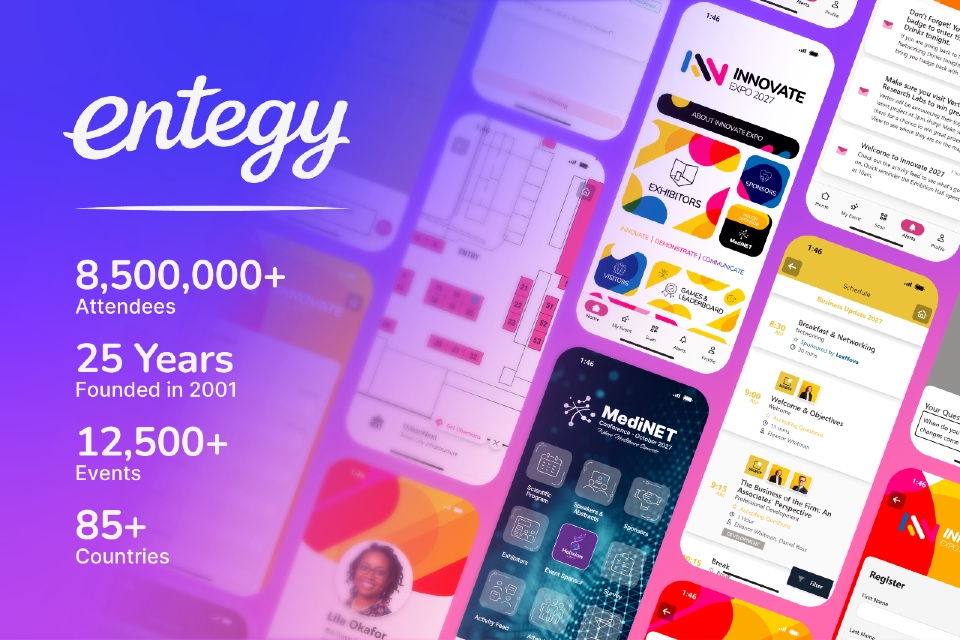
- interactive venue maps;
- push notifications;
- live polling and Q&A; and
- attendee networking functionality.
For hybrid and multi-location events, mobile platforms also help create more consistent attendee experiences across both physical and digital participation formats.
Networking and Personalisation Are Growing Priorities
One of the biggest trends shaping event app development is the growing focus on networking and attendee personalisation.
Delegates increasingly expect more targeted and relevant event experiences rather than generic content delivery. As a result, many organisers are investing in apps that use AI-driven recommendations and behavioural analytics to suggest:
- relevant sessions;
- networking opportunities;
- exhibitors;
- meetings; and
- content preferences.
Matchmaking functionality is becoming particularly valuable at B2B events where relationship-building and lead generation are central to event ROI.
At the same time, organisers are increasingly looking for ways to improve attendee participation and engagement throughout events rather than simply facilitating attendance.
Gamification and Interactive Engagement Tools
Gamification features are becoming increasingly common within event apps, particularly for larger conferences and exhibitions seeking to improve interaction levels.
Leaderboards, engagement challenges, digital reward systems and exhibitor interaction tracking can help encourage attendees to participate more actively across event activities.
Interactive tools such as live polls, surveys and audience Q&A functionality are also helping organisers gather real-time feedback while increasing session engagement.
For sponsors and exhibitors, these capabilities can provide more measurable engagement data and improved visibility into attendee behaviour.
Integration and Operational Challenges
Despite the benefits, event app implementation is not without challenges.
Many organisers still operate fragmented event technology ecosystems involving separate registration platforms, CRM systems, marketing tools and onsite management software. Poor integration between systems can create inconsistent attendee experiences and operational inefficiencies.
Adoption is another common concern. Even well-designed apps may struggle to achieve strong usage levels without clear communication and onboarding strategies.
As a result, organisers are increasingly prioritising suppliers that can demonstrate:
- intuitive user experiences;
- strong registration platform integration;
- real-time data synchronisation;
- scalable infrastructure;
- GDPR compliance; and
- reliable live-event support.
Measuring Event App Success More Strategically
Event apps are also generating increasingly valuable operational and commercial data.
Organisers can now monitor:
- attendee engagement levels;
- session popularity;
- networking activity;
- sponsor interactions; and
- content consumption trends.
This is helping event teams measure ROI more effectively while informing future event planning decisions.
Mobile Experiences Are Becoming Central to Event Delivery
Mobile engagement is likely to become even more embedded within event strategy.
As attendee expectations continue to evolve, event apps are moving beyond convenience tools towards becoming central operational platforms that connect communications, engagement, networking and analytics into a single ecosystem.
For event organisers, the focus is creating connected, data-driven attendee experiences capable of improving engagement, operational visibility and long-term event value.
Are you searching for Apps & Registration solutions for your events? The Event Organisers Summit can help!
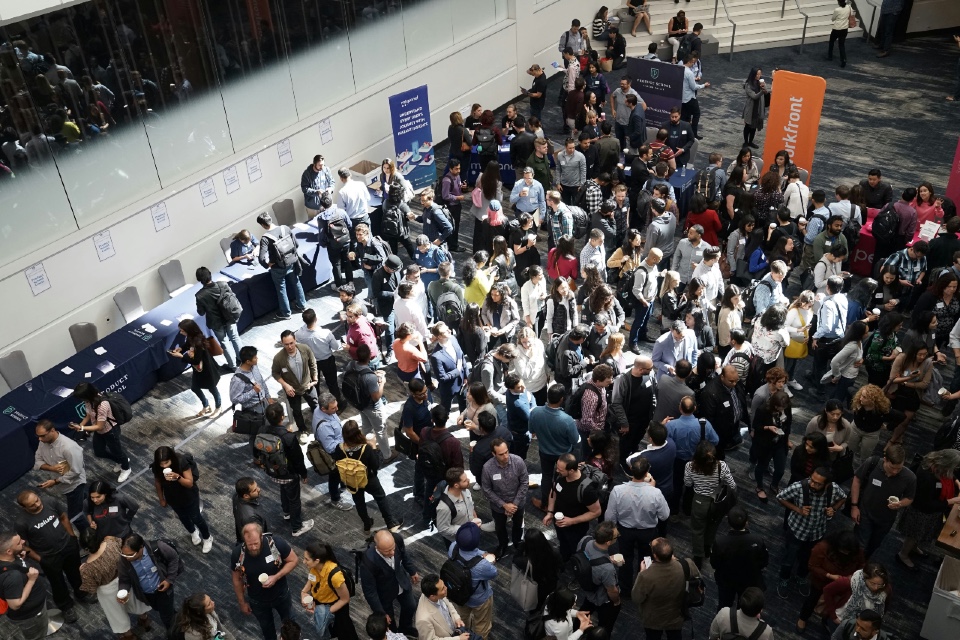
Photo by Product School on Unsplash