






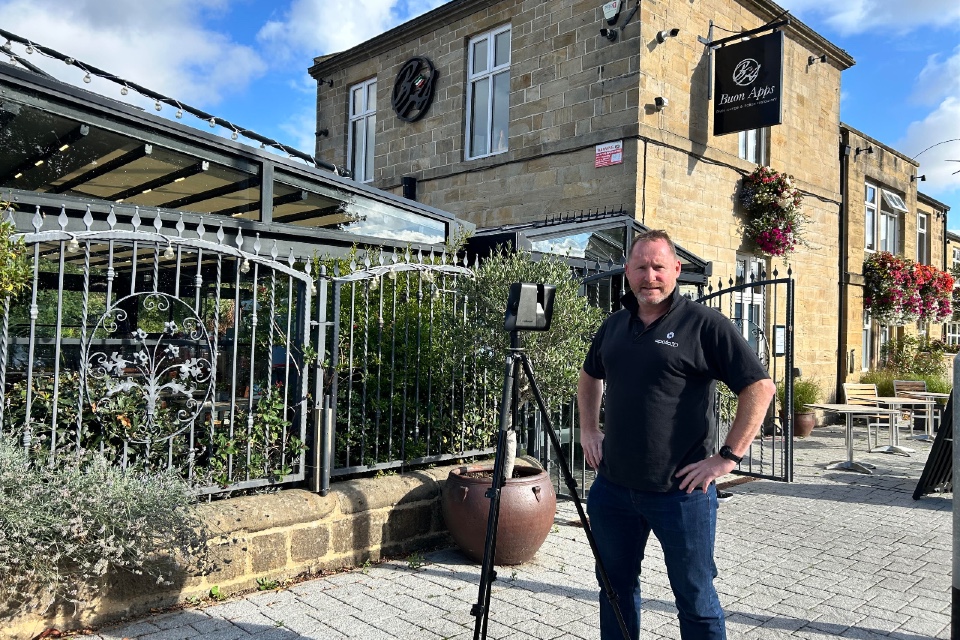
Digital venue exploration is becoming an increasingly important part of the booking journey, with new research finding that 66% of UK consumers use online tools to explore hospitality venues before deciding whether to visit or spend money.
The study, commissioned by immersive technology specialist Apollo3D, suggests 3D virtual tours, interactive mapping and other immersive content are becoming more influential as customers seek greater confidence before committing to hotels, restaurants, bars and entertainment venues.
The trend could have particular implications for events professionals, with virtual venue exploration allowing prospective clients to assess spaces, layouts, facilities and accessibility before arranging an in-person site visit.
Demand is especially strong among younger consumers. Almost a quarter (24%) of 25-to-34-year-olds rank the ability to virtually tour a venue and its facilities among the most important factors influencing their booking decisions, compared with 14% who said the same about conventional website photography.
Some 18% in this age group said access to a virtual tour makes them significantly more likely to book.
Across all age groups, 13% of respondents said they feel much more confident spending money when they can properly explore a venue online beforehand, while 14% consider digital venue inspection as important as an in-person visit.
Rising travel costs may also be increasing the value of the technology, with 8% saying they now exclusively book venues they have thoroughly researched online to avoid wasted journeys.
Mark Shepherd, Founder and Managing Director of Apollo3D, said customers increasingly want “complete clarity” before paying a deposit or committing to a booking.
“They want to see the seating layout, feel the atmosphere, check accessibility, and know exactly what they are paying for before they step through the door,” he said.
For venues, virtual tours and digital twins could provide benefits beyond consumer bookings. Corporate event organisers, conference planners and wedding clients can potentially use detailed spatial models during initial venue sourcing and planning, helping establish whether a location meets their requirements before conducting a physical site inspection.
The findings point towards immersive content becoming a more important component of venue sales and marketing strategies, particularly as organisers and delegates increasingly expect the research and booking process to begin online.
Image credit: Apollo3D