






Venue selection has traditionally revolved around capacity, location and cost. However, as corporate events evolve into immersive brand experiences, the criteria for choosing the right space are changing dramatically. Increasingly, event professionals are applying experience design principles to venue selection, using them to align the venue with event objectives, audience expectations and desired engagement outcomes. Rather than simply finding a suitable location, organisers are selecting spaces that actively contribute to the event’s success.
From Logistics to Experience
While logistics will always matter, the most successful events often begin with a different question: What do we want delegates to feel, think and do?
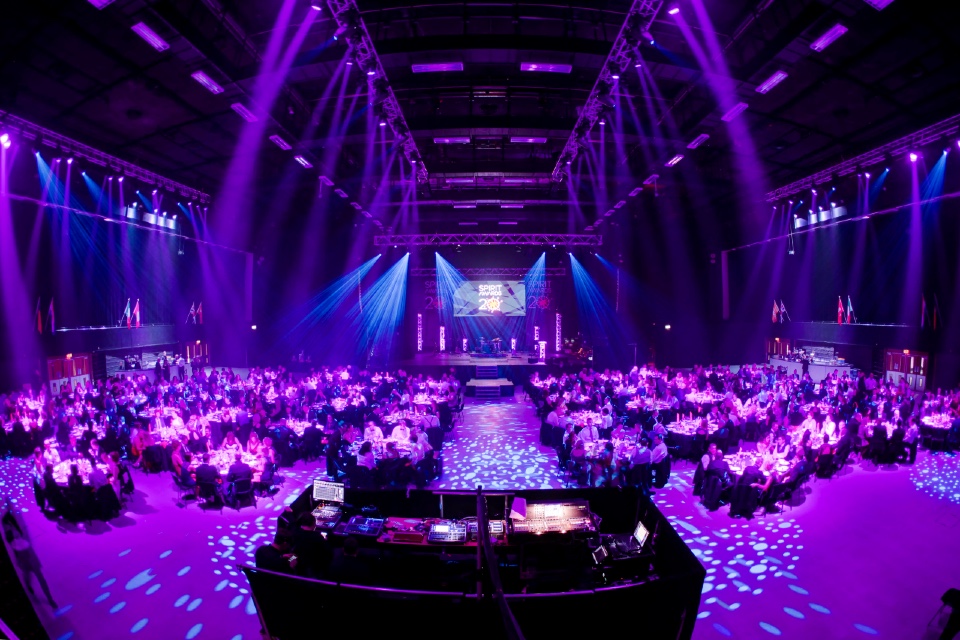
A venue is far more than a container for an event; it becomes part of the message. Lighting, acoustics, layout and even the journey from the entrance to the main hall all influence delegate perception and engagement. For example, an innovation summit may benefit from flexible, technology-enabled spaces that encourage collaboration, while a leadership retreat might prioritise natural light, breakout areas and biophilic design to promote focus and wellbeing.
Venues that support adaptability through modular staging, moveable walls and reconfigurable seating layouts also provide greater flexibility, allowing organisers to tailor the environment as the event progresses.
Designing for Emotion and Delegate Flow
Experience design principles encourage organisers to think about the delegate journey in the same way digital designers consider the user journey. Every interaction, from registration through to networking and departure, should feel intuitive and purposeful.
The physical layout of a venue should guide delegates naturally between key areas, reducing congestion and making networking opportunities feel organic rather than forced. Many event planners now map delegate journeys before selecting a venue, identifying potential bottlenecks that could interrupt the overall experience.
Venues with intuitive signage, clear wayfinding, well-positioned networking spaces and thoughtful lighting design help create smoother, more engaging delegate experiences while supporting the wider objectives of the event.
Integrating Technology and Brand Storytelling
Technology has become an essential part of experience-led venue selection. Today’s corporate events increasingly rely on digital tools to strengthen audience engagement and communicate brand messages.
Venues equipped with high-quality audiovisual systems, LED walls, immersive projection, augmented reality capabilities and reliable connectivity give organisers greater freedom to deliver memorable experiences. Hybrid-ready infrastructure, 5G connectivity and interactive technologies also enable real-time audience participation and seamless integration between in-person and virtual delegates.
Rather than simply supporting presentations, modern venues should enable storytelling that reinforces the event’s purpose and brand identity.
Measuring the Value of Experience-Led Venues
Applying experience design principles is ultimately about selecting a venue that supports strategic outcomes rather than simply meeting operational requirements.
The right venue can improve delegate engagement, encourage stronger networking, reinforce brand messaging and increase overall event satisfaction. It can also contribute to measurable business objectives, from higher attendee retention and improved feedback scores to stronger lead generation and brand perception.
As expectations continue to rise, organisations are increasingly recognising that the venue itself influences how delegates remember an event, making it an important contributor to return on investment.
Top 5 Experience Design Tips for Venue Selection
1. Start with the Delegate Journey
Map the emotional and physical journey before choosing a venue. Consider first impressions, registration, movement between sessions and networking opportunities to ensure the space supports a seamless experience.
2. Match Space to Event Objectives
Choose environments that reinforce your event goals. Collaborative workshops benefit from open, flexible layouts, while executive meetings may require quieter, more focused spaces.
3. Design for Movement
Look for venues with adaptable layouts, breakout areas and logical circulation routes that encourage interaction while preventing congestion throughout the day.
4. Build Technology into the Planning Process
Prioritise venues with integrated AV, reliable connectivity, hybrid event capabilities and interactive technologies that support engagement and storytelling from the outset.
5. Make the Venue Part of the Brand Story
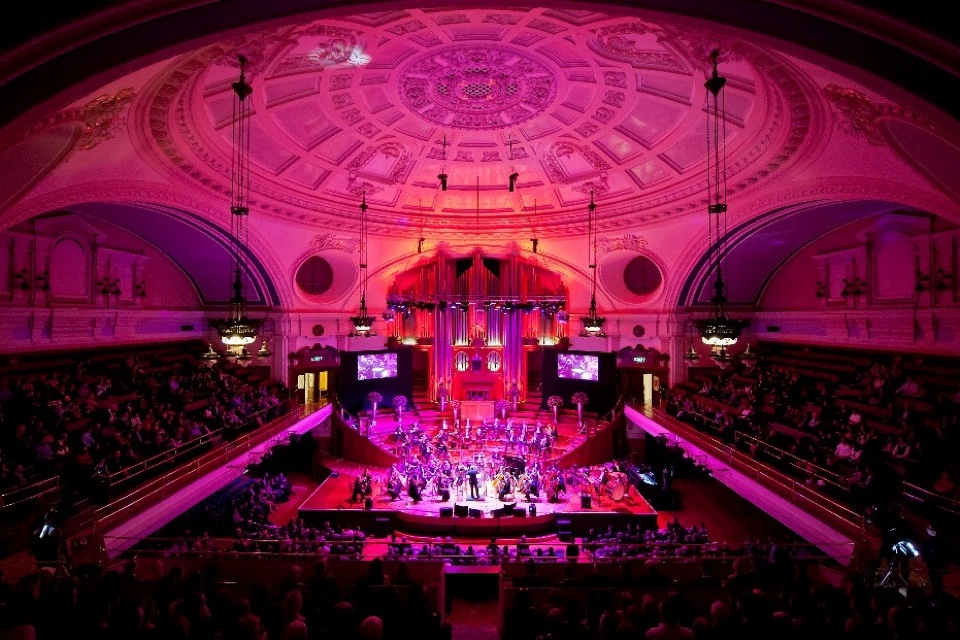
Every venue communicates something about your organisation. Consider how the location, architecture, atmosphere and design complement your brand values and the message you want delegates to take away.
Conclusion
Applying experience design principles to venue selection enables event organisers to make more strategic decisions that go beyond capacity and logistics. By choosing venues that support delegate journeys, encourage engagement and reinforce event objectives, organisations can create more memorable, impactful corporate events. As experience-led planning becomes the norm, the most successful venues will be those that combine operational excellence with environments designed to inspire, connect and deliver meaningful outcomes.
Are you searching for venues for your upcoming events? The Event Organisers Summit can help!
Photo by David von Diemar on Unsplash