





The boundaries between stagecraft, digital art and immersive storytelling are blurring thanks to rapid innovation in event AV. For event managers looking to engage audiences and amplify brand impact, event production technologies such as LED walls, projection mapping and extended reality (XR) have evolved from experimental concepts into essential production tools. These technologies don’t just enhance visual impact; they also improve the user experience by creating more immersive, interactive and memorable event environments.
LED Walls: From Backdrops to Storyboards
LED walls are no longer just eye-catching backgrounds; they have become dynamic storytelling canvases. Today’s high-resolution, modular LED systems deliver exceptional clarity, even in brightly lit venues, allowing brands to adapt visuals in real time to speaker cues, audience interaction or live data feeds.
Whether wrapping a corporate conference stage or creating a 360-degree brand tunnel at a product launch, LED installations provide visual continuity that strengthens storytelling and keeps audiences engaged throughout the event.
Projection Mapping: Transforming Spaces into Experiences
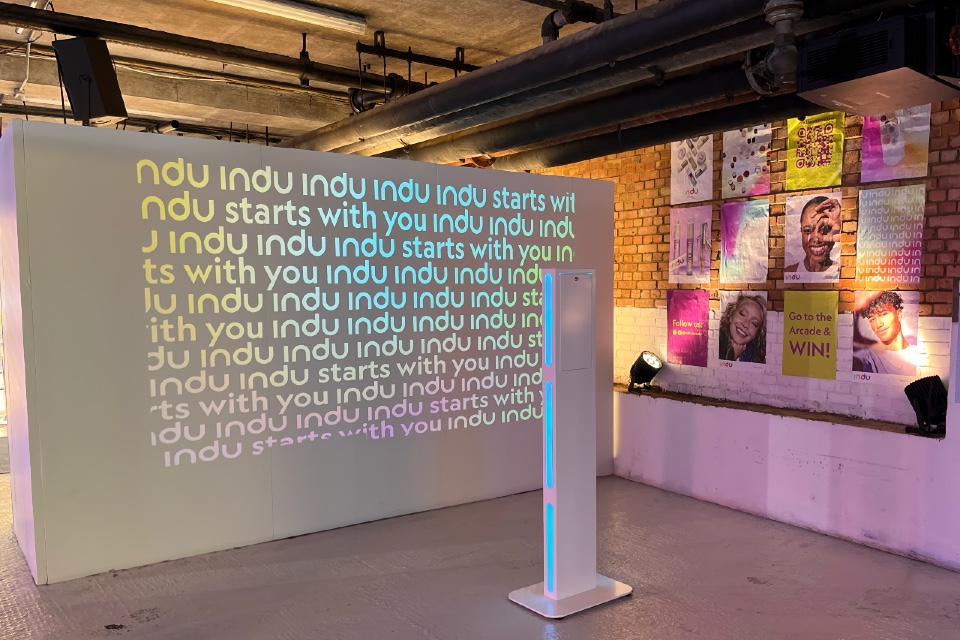
Projection mapping has advanced dramatically in recent years, thanks to more compact, high-lumen projectors and increasingly powerful content engines. Venues and physical structures can now be transformed into immersive digital environments, with walls brought to life through brand storytelling, interactive animations and striking product reveals.
Advancements in spatial computing have also made projection mapping more precise, quicker to deploy and less reliant on costly bespoke stage builds. This creates richer audience experiences while improving production efficiency.
XR and Immersive Layers: The Next Frontier
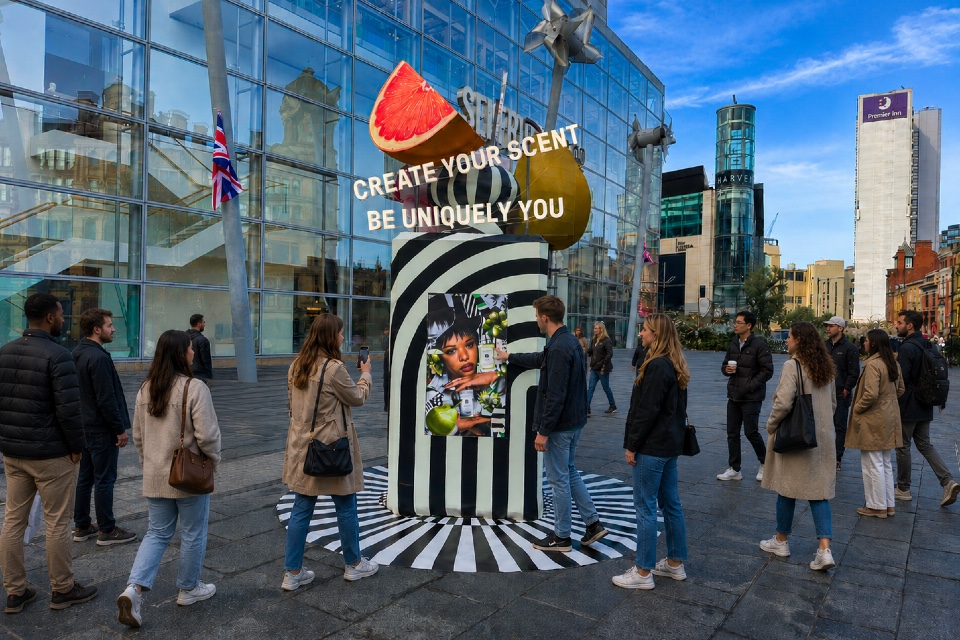
Extended reality (XR) is rapidly becoming a key differentiator for forward-thinking event producers. By combining augmented reality (AR), virtual reality (VR) and mixed reality (MR), XR allows brands to immerse attendees in fully customised environments.
Examples include AR experiences accessed through smartphones to enhance presentations, immersive VR product demonstrations at exhibitions and interactive mixed reality installations that encourage audience participation. XR also strengthens hybrid events by giving remote attendees more meaningful ways to engage with branded content.
Integration Is Key
Delivering these immersive experiences requires more than individual technologies. Event managers are increasingly partnering with AV specialists who can integrate LED walls, projection mapping and XR into a single production workflow.
Synchronising content across multiple display technologies in real time relies on robust media servers, show control systems and experienced technicians who understand both the creative vision and the technical execution.
ROI-Driven Creativity
The growing adoption of event production technologies is being driven by more than visual impact alone. Enhanced audience engagement, longer dwell times, increased social sharing and richer post-event analytics all demonstrate measurable returns on investment.
Conclusion
As audience expectations continue to evolve, the role of AV and production teams is expanding from service provider to creative partner. Impactful event production is about more than putting pixels on a screen; it’s about using event production technologies to inspire, inform and transform every stage of the audience experience.
By embracing innovations such as LED walls, projection mapping and XR, event organisers can create immersive experiences that capture attention, strengthen brand messaging and leave a lasting impression. As these technologies continue to advance, the organisations that invest in the right production solutions will be best placed to deliver engaging events that audiences remember long after they’ve ended.
Are you searching for AV and production solutions for your events? The Event Organisers Summit can help!